Real Estate Development for Investors

Investor friendly REALTOR and licensed contractor helping Philadelphia investors evaluate ground up and value add development deals on yield on cost, not hope.

Development is where investors make the most and lose the most. I help you underwrite the land, the build, the lease up, and the exit before you buy a lot or a shell.

Call or Email Nicholas Davis

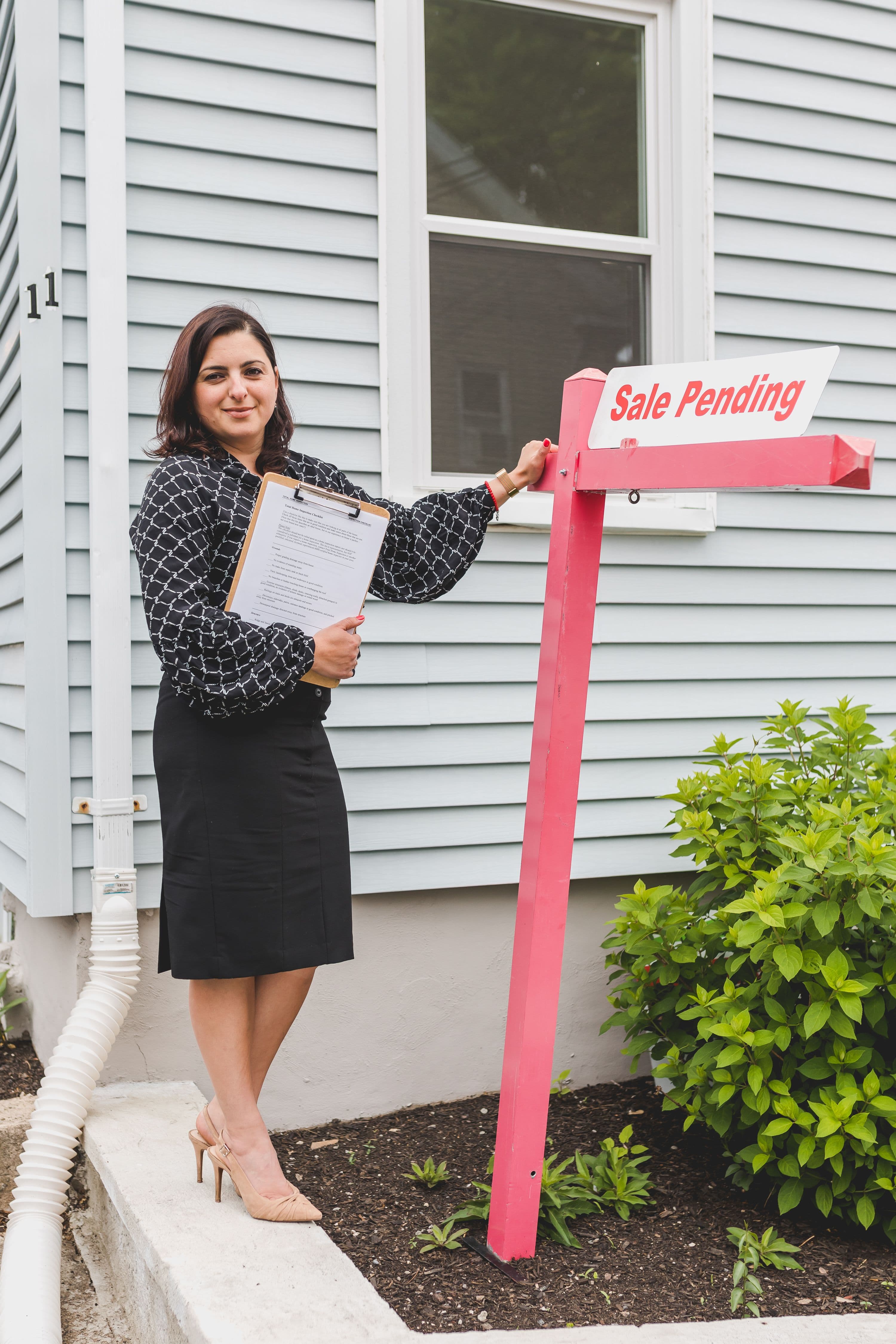
Nicholas Davis, licensed contractor and real estate agent advising Philadelphia development investors

Trusted by buyers, sellers, and investors with experience built in the field

  • In Team Sales

    $500M+

    Total Sales Volume
  • Buyers & Sellers Helped

    1000+

    Clients Served to Date
  • Philadelphia Metro

    650+

    Total Transactions
  • Combined Team Experience

    22+

    Combined Years of Experience

Underwrite the Build Like a Contractor, the Exit Like an Investor

Development returns in Philadelphia can be excellent, from infill rowhome construction to gut renovations of shells to small build to rent projects. They can also go badly when the land is overpaid, the budget is a guess, the schedule slips, or the exit assumes rents the block does not support. I bring both sides to the table. As a licensed contractor I pressure test hard costs, soft costs, sequencing, and permits. As an agent I underwrite the stabilized value, rents, and resale comps. The deal has to clear a yield on cost comfortably above market cap rate before I will tell you to proceed. For full project delivery, my development consulting practice handles pre development, construction management, and operations.

Development Math

The numbers that decide whether a project creates value

A development only makes sense when the finished income justifies the total cost with a margin for what goes wrong. These are the numbers I anchor every analysis on.

Yield on Cost

The return a development earns on every dollar you put in

Yield on cost is the stabilized net operating income of a completed project divided by the total cost to build or renovate it, including land, hard costs, soft costs, financing, and carry. Developers compare it to the market cap rate. If yield on cost is not comfortably above cap rate, the project is not creating value.

Formula
Yield on Cost = Stabilized NOI ÷ Total Project Cost × 100
Stabilized NOI
Net Operating Income once leased up
Total Project Cost
Land plus hard costs, soft costs, financing, and carry

Example: A project costing $900,000 all in that stabilizes at $72,000 NOI has an 8 percent yield on cost. In a 6 percent cap rate market that spread is what creates the developer's profit.

Net Operating Income (NOI)

What the property earns before the mortgage

Net Operating Income is the annual income a rental property produces after vacancy and all operating expenses are subtracted, but before debt service and income taxes, making it the cleanest way to compare how two properties actually perform.

Formula
NOI = Gross Rental Income − Vacancy − Operating Expenses
Gross Rental Income
All rent and fees collected over twelve months
Vacancy
Expected lost rent between tenants, often 5 to 8 percent
Operating Expenses
Taxes, insurance, water, maintenance, management, turnover, reserves

Example: $24,000 in rent, minus $1,440 vacancy, minus $8,500 in expenses leaves an NOI of $14,060.

Holding Costs

What the property costs you every month you own it

Holding costs are the recurring expenses an investor pays while owning a property before it is sold or rented, including loan interest, property taxes, insurance, utilities, and lawn or snow care. On a flip, every month of delay adds another round of these costs and eats directly into profit.

Formula
Total Holding Costs = Monthly Carry × Months Held
Monthly Carry
Loan interest plus taxes, insurance, and utilities for one month
Months Held
Closing to resale, including rehab, listing, and buyer's closing period

Example: A $2,400 monthly carry on a flip that takes seven months from purchase to settlement adds $16,800 to the all in cost.

After Repair Value (ARV)

What the property is worth once the work is done

After Repair Value is the realistic price a property should sell or appraise for after the renovation is fully completed, based on recent comparable sales of similar finished homes on similar blocks, not on what you hope the market will pay.

Formula
ARV = Average Price per Sq Ft of Renovated Comps × Subject Sq Ft
Renovated Comps
Three to five recent sales of finished homes on comparable blocks
Subject Sq Ft
Finished square footage of the property after renovation

Example: Comps average $250 per sq ft and the finished rowhome is 1,200 sq ft, so ARV is roughly $300,000.

Real Estate Development

Let's Talk Real Estate Development in Philadelphia

Send me the deal, the neighborhood, or the question you are working through. I answer my phone, and I will tell you plainly whether the numbers work.

Meet Nicholas
Process

How We Help You Invest in Philadelphia

A disciplined investing process for Philadelphia — from deal sourcing and underwriting to execution and exit planning.

  1. 01

    Search Philadelphia On-Market and Distress Properties Using Compass One

    Identify on-market opportunities in Philadelphia through Compass One that match your strategy, timeline, and target returns.

    Compass One
  2. 02

    Run 70% Rule And/Or DSCR Analysis

    Underwrite each deal with the right framework for your strategy, including 70% rule for flips and DSCR analysis for rentals.

  3. 03

    Validate Comps And Build Budget

    Confirm after-repair value and create a realistic project budget covering renovation scope, holding costs, reserves, and exit costs.

  4. 04

    Structure Offer And Terms

    Prepare a disciplined offer with contingencies, timelines, and pricing terms that protect your downside while staying competitive in Philadelphia.

  5. 05

    Complete Due Diligence And Financing

    Coordinate inspections, contractor walk-throughs, lender requirements, and title review so your numbers hold through closing.

  6. 06

    Execute Renovation Or Lease-Up Plan

    Move from closing to execution with a clear operating plan for rehab, leasing, refinance, or resale based on your investment objective.

About Me

Built by Real Experience

More than 10 years in real estate investing, property operations, and construction execution now power every client strategy.

Philadelphia Real Estate Realtor, Investor, and Licensed General Contractor at

Compass
Nicholas Davis with Jett

Nicholas Davis brings more than 10 years of hands on real estate experience across investing, property management operations, renovation planning, and project execution. Long before becoming a licensed real estate agent, he was already evaluating deals, managing risk, and protecting margins in the field.

That operating background gives clients an advantage at every stage. You get practical guidance on pricing, renovation scope, hold costs, rental upside, negotiation structure, and timeline decisions, all grounded in real world execution.

Today, as a full time Philadelphia real estate agent and licensed general contractor, Nicholas helps buyers, sellers, and investors make stronger decisions with clarity and confidence. No pressure. No fluff. Just direct advice and disciplined strategy focused on results.

Real Estate Guides for Philadelphia

Practical real estate guides for buyers, sellers, and investors, focused on decisions that matter most in your market.

Development Faq

Development questions Philadelphia investors ask

Straight answers on evaluating lots and shells, budgets, permits, build to rent, tax abatements, and how I help investors avoid the mistakes that sink projects.

  1. How do you evaluate a development deal?

    +×

    I start with the finished product: what will it rent for or sell for, based on real comps for that product type on that block. Then I build the total cost: land or shell, hard costs from actual trade pricing, soft costs including design, permits, and financing, carry during construction and lease up, and a real contingency. Stabilized NOI divided by total cost gives yield on cost. If that is not meaningfully above the cap rate a buyer would pay, the project is not creating value and we pass.

  2. What is the difference between this and your development consulting services?

    +×

    This page is about helping investors evaluate and acquire development opportunities: finding the lot or shell, underwriting the deal, and deciding whether to proceed. My development consulting practice is for investors who are moving forward and need pre development advisory, construction project management, and operations support through delivery and lease up. Many clients start here and continue there. See my real estate development consulting.

  3. What do investors get wrong on Philadelphia development?

    +×

    Overpaying for land because a nearby sale looked high, using a per square foot build cost that does not reflect the actual scope, underestimating soft costs and permit timelines, ignoring the carry during a slow lease up, and assuming rents or sale prices from a stronger block two streets over. Any one of these can erase the margin. I price each of them explicitly before you commit. Pre development advisory services.

  4. Is build to rent viable in Philadelphia?

    +×

    Yes on the right blocks. Small build to rent projects, a few new rowhomes or a small multifamily held as rentals, can work well where land is still reasonable and rents support new construction finish levels. The ten year tax abatement helps early cash flow. The key is matching the product to what tenants on that block will pay for, not building a Center City finish in a neighborhood that rents at Kensington numbers.

  5. How does zoning affect what I can build?

    +×

    It decides everything from unit count to height to whether you need a variance. Building by right is faster and cheaper. Variances take months, cost money, and can fail. I verify the zoning district and overlays before you buy and tell you what the lot actually supports, so you are not underwriting a triplex on a lot zoned for a single family. What RM-1 zoning means in Philadelphia.

  6. How do you help manage the build itself?

    +×

    Through my construction project management practice. I separate system work from finish work, sequence trades to prevent delays, manage inspections and draws, and keep the project within budget. That is contractor level oversight, not agent hand waving, and it is where most of the project's risk lives. Construction project management services.

  7. How do I start evaluating a development deal with you?

    +×

    Share the lot, shell, or neighborhood you are looking at, your capital and financing, and whether you plan to sell or hold the finished product. I will underwrite it to yield on cost and tell you plainly whether it works, at what land price, and what would have to go right. Evaluate a development deal with me.

Contact

Book Your Consultation

Tell me a little about your goals and I will reach out to discuss your next move in the market.

Nicholas Davis

Nicholas Davis

Currently Online

What you can expect:

  • Tailored strategy for buying or selling
  • Neighborhood-level market guidance
  • Seamless communication from start to close
  • Disciplined execution that protects your position

Contact form

Affiliations and Tools I Work With

  • Compass logo
  • Redfin logo
  • MLS Realtor logo
  • Google Workspace logo
  • DocuSign logo
  • ChatGPT logo