House Hacking Realtor in Philadelphia

Investor friendly REALTOR helping Philadelphia house hackers buy a duplex, triplex, or roommate ready home with a low down payment and let tenants pay the mortgage.

Live in one unit, rent the rest. I find the blocks where the math works, verify the rents, and get you into your first property with an owner occupant loan.

Call or Email Nicholas Davis

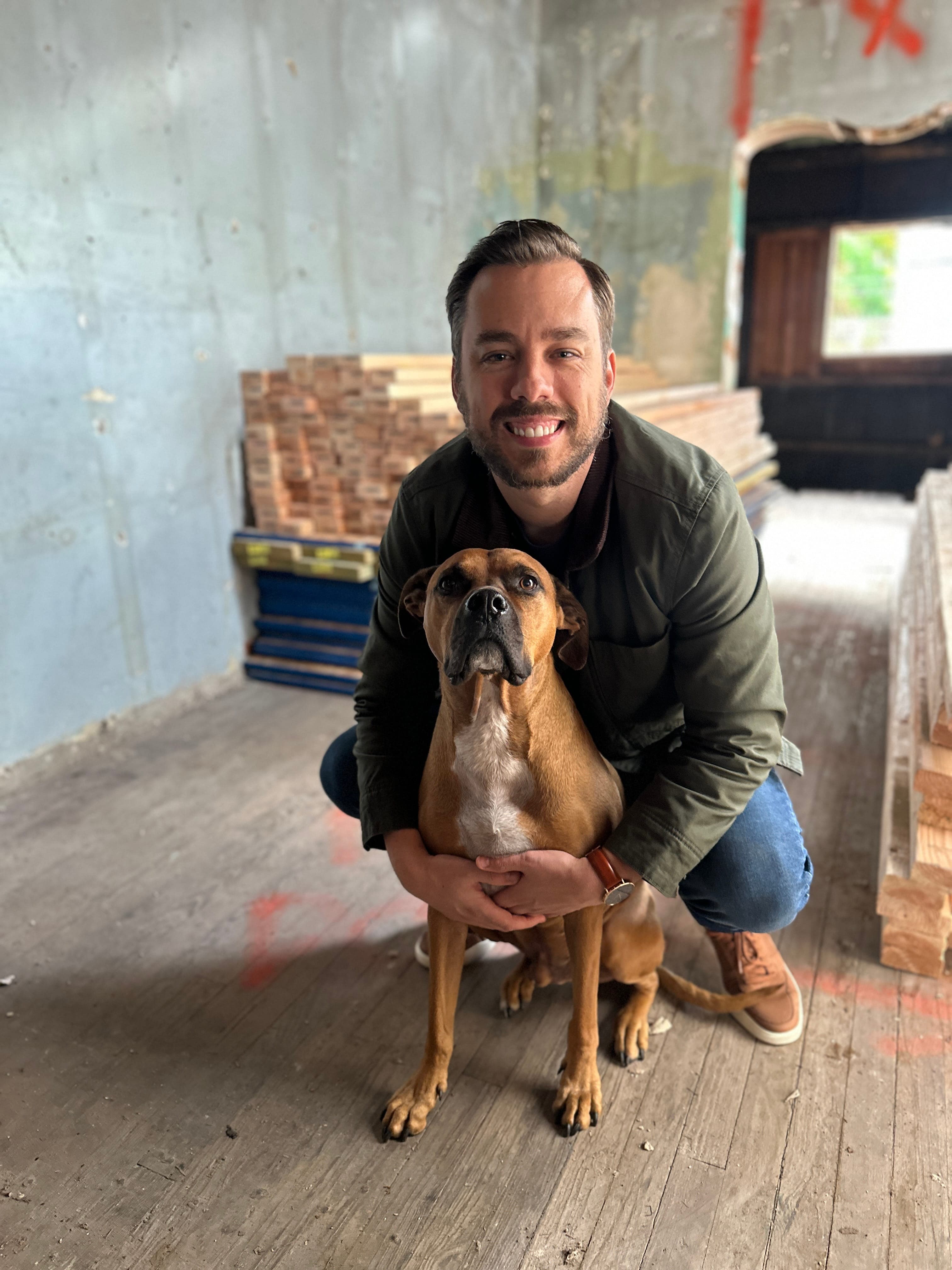
Nicholas Davis, house hacking real estate agent in Philadelphia

Trusted by buyers, sellers, and investors with experience built in the field

  • In Team Sales

    $500M+

    Total Sales Volume
  • Buyers & Sellers Helped

    1000+

    Clients Served to Date
  • Philadelphia Metro

    650+

    Total Transactions
  • Combined Team Experience

    22+

    Combined Years of Experience

The Lowest Risk Way to Buy Your First Investment Property

House hacking lets you buy a two to four unit property with owner occupant financing, live in one unit, and let the other units cover most of the mortgage. In Philadelphia that can mean a duplex in Point Breeze, a triplex in Kensington, or a roommate ready rowhome near the universities. The strategy is simple, but the math is not optional. I help first time buyers find the blocks where unit rents actually cover the payment, verify those rents against real leases, and underwrite the total monthly cost so you know your true housing cost before you offer.

House Hack Math

How to tell if a house hack actually works

If the tenants bring your housing cost down to a few hundred dollars a month, it works. If you are still paying close to full rent, you just bought an investment property you happen to live in.

House Hacking

Live in one unit, let the tenants pay the mortgage

House hacking is buying a two to four unit property or a home with rentable space, living in part of it, and renting the rest so tenant income covers most of your housing cost. Because you occupy the property, you qualify for owner occupant financing with far lower down payments than a pure investment loan.

Formula
Net Housing Cost = Total Monthly Cost − Rent from Other Units
Total Monthly Cost
Mortgage, taxes, insurance, utilities you cover, and a maintenance reserve
Rent from Other Units
Verified rent for the units or rooms you are not living in
How it works
  1. Get pre approved for the full property price with an owner occupant loan
  2. Target blocks where duplex and triplex rents actually cover the payment
  3. Verify unit rents from that block, not neighborhood averages
  4. Subtract rent from your total monthly cost to find your true housing cost
  5. Live there the required period, then repeat or convert to a full rental

Example: A triplex costing $3,200 a month all in with two units renting for $1,400 each leaves a net housing cost of $400, which is a house hack that works.

The 1% Rule

A fast first screen for rental cash flow

The 1% rule is a quick screening test... but be aware that it is only a rough guideline (I don't use it). It says a rental property's monthly rent should be at least one percent of its total purchase price plus repairs. It is not a substitute for a full underwrite, but it quickly separates properties worth analyzing from ones that will struggle to cash flow after debt service.

Formula
Monthly Rent ÷ (Purchase Price + Repairs) ≥ 1%
Monthly Rent
Verified market rent, not the seller's projection
Purchase Price + Repairs
All in acquisition cost before financing

Example: A rowhome bought for $180,000 with $20,000 in repairs needs about $2,000 a month in rent to pass the 1% screen.

Cash on Cash Return

Return on the actual cash you put in

Cash on cash return is the annual pre tax cash flow a property produces divided by the total cash you invested, including down payment, closing costs, and renovation. It shows how hard your own money is working after financing.

Formula
Cash on Cash = Annual Cash Flow ÷ Total Cash Invested × 100
Annual Cash Flow
NOI minus annual mortgage payments
Total Cash Invested
Down payment plus closing costs plus rehab plus reserves

Example: $4,800 in yearly cash flow on $60,000 invested is an 8.0 percent cash on cash return.

Process

How We Help You Invest in Philadelphia

A disciplined investing process for Philadelphia — from deal sourcing and underwriting to execution and exit planning.

  1. 01

    Search Philadelphia On-Market and Distress Properties Using Compass One

    Identify on-market opportunities in Philadelphia through Compass One that match your strategy, timeline, and target returns.

    Compass One
  2. 02

    Run 70% Rule And/Or DSCR Analysis

    Underwrite each deal with the right framework for your strategy, including 70% rule for flips and DSCR analysis for rentals.

  3. 03

    Validate Comps And Build Budget

    Confirm after-repair value and create a realistic project budget covering renovation scope, holding costs, reserves, and exit costs.

  4. 04

    Structure Offer And Terms

    Prepare a disciplined offer with contingencies, timelines, and pricing terms that protect your downside while staying competitive in Philadelphia.

  5. 05

    Complete Due Diligence And Financing

    Coordinate inspections, contractor walk-throughs, lender requirements, and title review so your numbers hold through closing.

  6. 06

    Execute Renovation Or Lease-Up Plan

    Move from closing to execution with a clear operating plan for rehab, leasing, refinance, or resale based on your investment objective.

About Me

Built by Real Experience

More than 10 years in real estate investing, property operations, and construction execution now power every client strategy.

Philadelphia Real Estate Realtor, Investor, and Licensed General Contractor at

Compass
Nicholas Davis with Jett

Nicholas Davis brings more than 10 years of hands on real estate experience across investing, property management operations, renovation planning, and project execution. Long before becoming a licensed real estate agent, he was already evaluating deals, managing risk, and protecting margins in the field.

That operating background gives clients an advantage at every stage. You get practical guidance on pricing, renovation scope, hold costs, rental upside, negotiation structure, and timeline decisions, all grounded in real world execution.

Today, as a full time Philadelphia real estate agent and licensed general contractor, Nicholas helps buyers, sellers, and investors make stronger decisions with clarity and confidence. No pressure. No fluff. Just direct advice and disciplined strategy focused on results.

Real Estate Guides for Philadelphia

Practical real estate guides for buyers, sellers, and investors, focused on decisions that matter most in your market.

House Hacking Faq

House hacking questions Philadelphia buyers ask

Straight answers on financing, neighborhoods, tenants, licensing, and what makes a Philadelphia house hack work or fail.

  1. What is house hacking and why is it a good first move?

    +×

    House hacking means buying a property with two to four units or rentable space, living in part of it, and renting the rest so tenant income covers most of your housing cost. It is often the best first move because owner occupant loans require far less down than investment loans, you learn to be a landlord while living on site, and after the occupancy period you can move out, keep it as a full rental, and do it again. See my investor services for new investors.

  2. How much do I need to put down to house hack in Philadelphia?

    +×

    Far less than a traditional investment purchase. FHA loans allow as little as 3.5 percent down on a two to four unit property you live in, and conventional owner occupant programs now allow 5 percent down on two to four units as well. Compare that to 20 to 25 percent for an investor loan on the same building. Your lender will also count a portion of the projected rent toward qualifying, which can stretch your approval. Book a house hack consultation.

  3. Which Philadelphia neighborhoods are best for house hacking?

    +×

    The ones where rent to price ratios work and where real duplexes and triplexes exist. East Passyunk, Point Breeze, Kensington, and Frankford consistently offer the strongest house hack opportunities. Neighborhoods near Temple, Penn, and Drexel work well for roommate style house hacks in larger single family homes. The trap is buying in a trendy neighborhood where the purchase price has already priced out the rent. Best Philadelphia neighborhoods for house hackers.

  4. How do I know if a house hack actually works financially?

    +×

    Run the full monthly cost including mortgage, taxes, insurance, the utilities you cover, and a maintenance reserve, then subtract verified rent from the units you are not living in. If you are left paying roughly $400 to $500 a month, the house hack works. If you are paying $800 to $1,000, you are not really house hacking. You are living in an investment property. I run that math on every candidate before you offer. Why I recommend Philly duplexes and triplexes.

  5. Do I need a rental license if I live in the property?

    +×

    In most cases yes. Philadelphia requires a rental license for units you lease to tenants, and renting the other units in your owner occupied duplex or triplex is no exception. Depending on the property you may also need a certificate of rental suitability and lead safe certification. I help house hackers confirm exactly what applies to their setup and get the file approved before a tenant moves in. Do I need a license to rent my house in Philadelphia.

  6. What if I cannot find a true duplex or triplex in my budget?

    +×

    That is common in stronger central neighborhoods, where small multifamily is limited and competitive. A roommate house hack can be the smarter move. That means buying a larger single family, a twin, or a rowhome with a flexible layout in a neighborhood with strong roommate demand and renting the extra bedrooms. The financing is simpler and the inventory is much deeper. I help buyers compare both paths on cash needed, expected rent, and exit flexibility. See my multifamily investing services.

  7. What do first time house hackers get wrong in Philadelphia?

    +×

    They use neighborhood average rents instead of the actual rents on that block, skip the maintenance reserve on an older rowhome, forget water and other owner paid utilities, and assume every unit stays full every month. They also underestimate how much it matters to screen tenants well when those tenants live on the other side of your wall. I help you avoid each of those before closing, not after. How I help new investors.

  8. What happens after the first year?

    +×

    Most owner occupant loans require you to live in the property for at least twelve months. After that you can stay and keep enjoying a low housing cost, move out and rent your unit to turn it into a full rental, or buy the next house hack with another low down payment loan and repeat. Done two or three times, that is a portfolio built mostly with tenant money. See my buy and hold services.

Contact

Book Your Consultation

Tell me a little about your goals and I will reach out to discuss your next move in the market.

Nicholas Davis

Nicholas Davis

Currently Online

What you can expect:

  • Tailored strategy for buying or selling
  • Neighborhood-level market guidance
  • Seamless communication from start to close
  • Disciplined execution that protects your position

Contact form

Affiliations and Tools I Work With

  • Compass logo
  • Redfin logo
  • MLS Realtor logo
  • Google Workspace logo
  • DocuSign logo
  • ChatGPT logo