
What Is NOI (Net Operating Income) in Real Estate?
Net Operating Income is the number every serious real estate investor works from. It drives cap rate, DSCR, and property value. If you cannot calculate NOI cleanly, you cannot underwrite a deal.
Property updates and practical guidance for investors across Philadelphia and the surrounding suburbs.
Net Operating Income is the number every serious real estate investor works from. It drives cap rate, DSCR, and property value. If you cannot calculate NOI cleanly, you cannot underwrite a deal.

Philadelphia is one of the few large metros where a well-run investor can still hit real cash flow and appreciation on the same deal. Here is how I help investors do it.
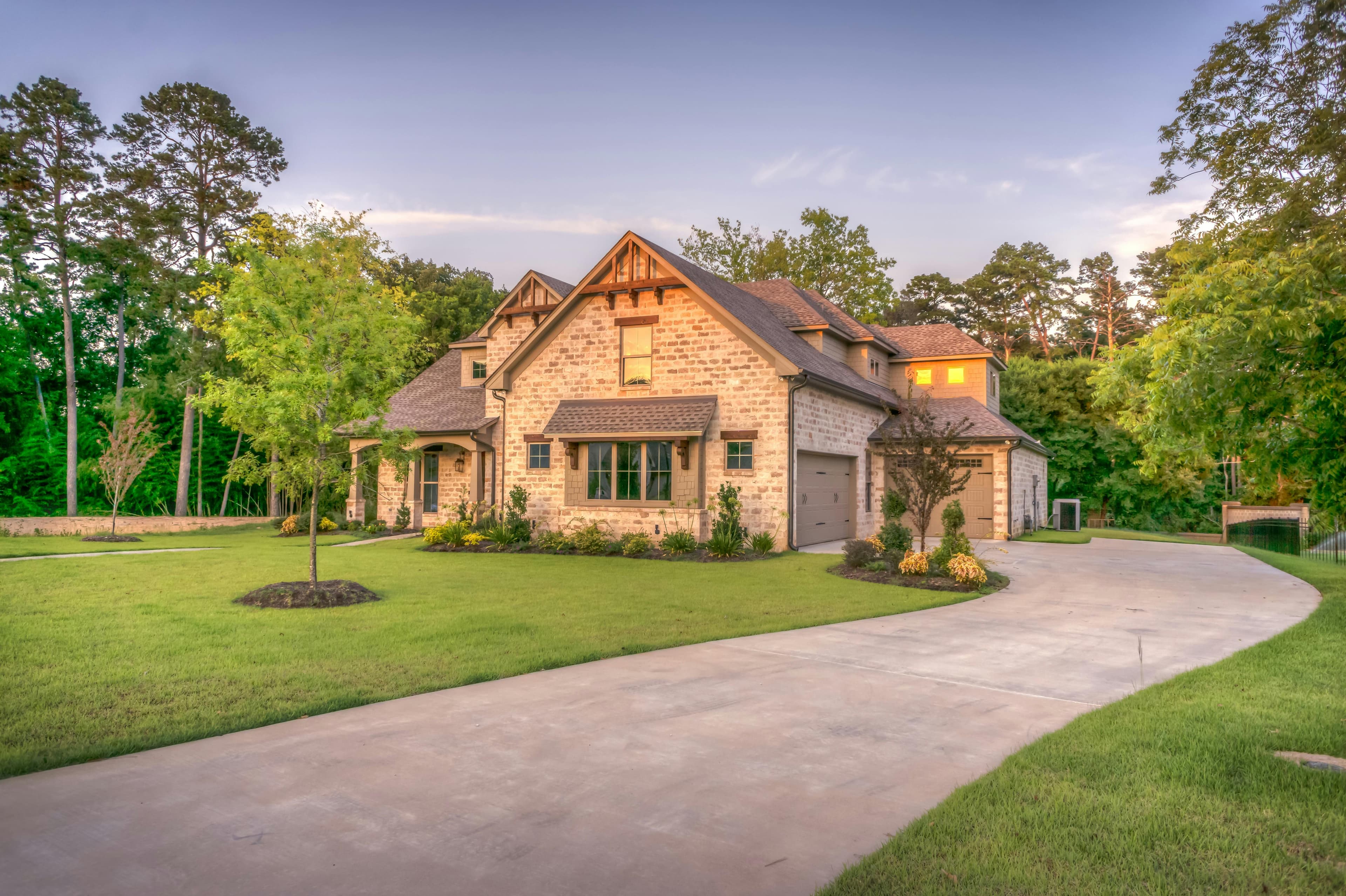
RM-1 is one of the most common multi-family districts in Philadelphia. If you invest in duplexes, triplexes, or small multi-unit buildings, you will run into it constantly.

Before you write an offer on any Philadelphia property, you need to know exactly what the zoning allows. The Philadelphia Atlas is the fastest way to check it yourself.

Yes, Philadelphia requires a rental license for most long-term rentals. I help landlords understand when the license is required, what can block it, and how to get compliant before they advertise or lease the property.

If you need a Philadelphia rental license, the process is not hard, but the order matters. I help landlords handle the tax account, CAL, RLSI form, required documents, and final application so they can get approved faster.
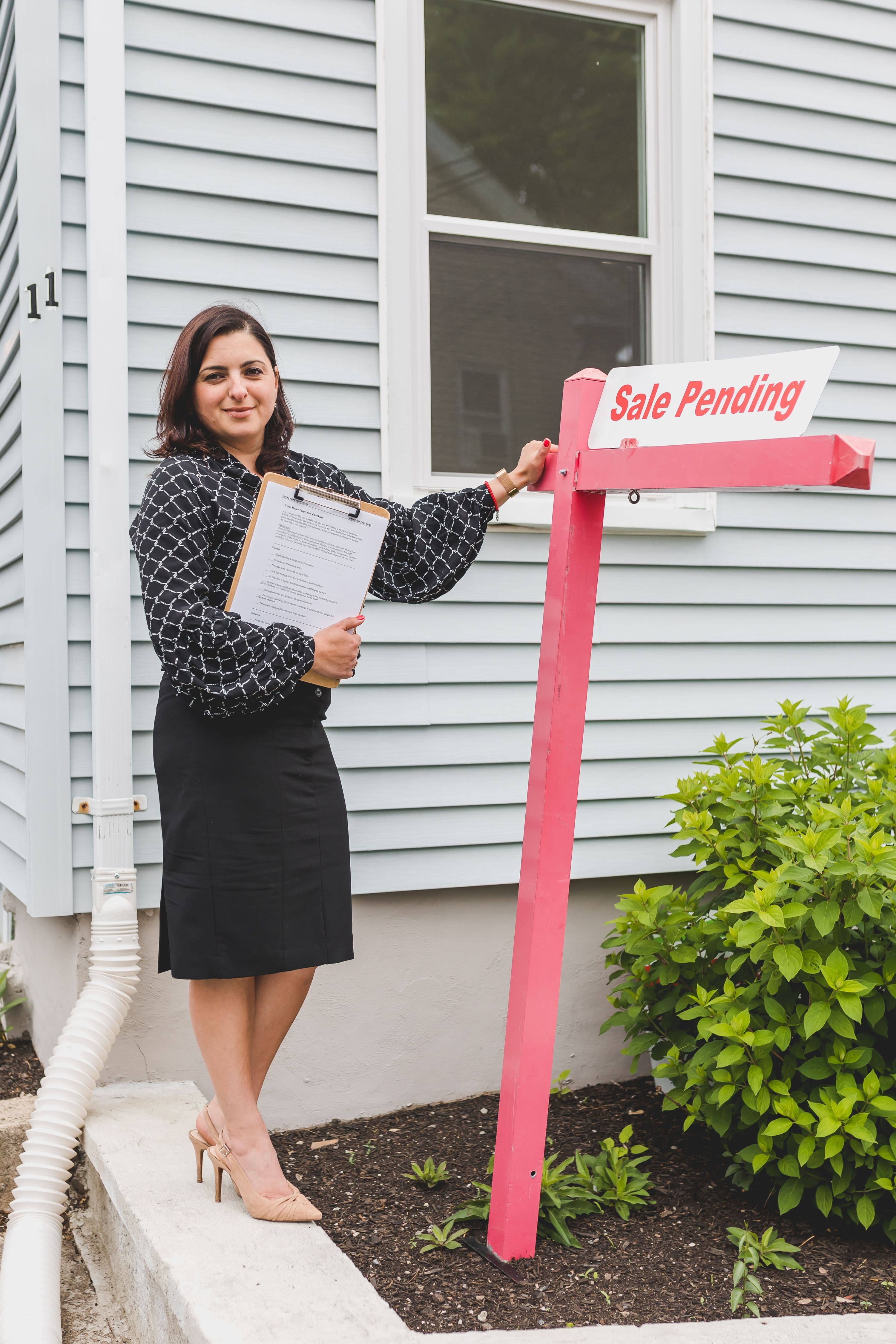
In Philadelphia, you can verify a rental license through the city's Atlas or L and I property history tools. I also explain why landlords should check their own status before lease signing so there are no surprises.

A Philadelphia rental license can move in about five business days once the application is complete, but the real timeline is usually longer because tax, lead, and document preparation happen first. I help landlords shorten the process by organizing the file before submission.

Becoming a landlord in Philadelphia means more than buying a property and finding a tenant. I help owners set up the tax accounts, license path, documents, and move in paperwork so the rental starts on the right side of city compliance.

The Certificate of Rental Suitability is one of the documents landlords need at lease signing in Philadelphia. I help owners generate it correctly after the rental license is approved and package it with the city handbooks and acknowledgment form.

House flip profit in Philadelphia depends on buy price discipline, rehab scope, and holding costs. This guide breaks down the 70 percent rule, real local cost assumptions, and how to estimate profit before you submit an offer.

Qualifying for a DSCR loan is easier when you prepare like a lender: confirm your ratio targets, document rent support, protect reserves, and choose the right asset profile before making offers.

DSCR loans can be a strong scaling tool, but the tradeoff is usually higher financing cost and tighter reliance on property income metrics.

A bad DSCR ratio is one that leaves no margin for normal operating volatility and turns a manageable rental into a fragile one.

DSCR qualification is often simpler than conventional investment lending, but it still requires strong deal fundamentals and clean borrower profile.

DSCR loans are not inherently bad, but they can become risky when investors overpay, overestimate rent, or ignore reserve planning.

A good DSCR ratio depends on your strategy, but most investors should target a buffer above lender minimums to reduce refinance and vacancy risk.

DSCR loans are not always 20% down. Required equity depends on DSCR strength, credit score, property type, and loan program.
A DSCR of 1.25 means the property generates 25% more income than needed to cover debt service, which is why many lenders use it as a qualification floor.

DSCR is one of the most important metrics in investment lending because it shows whether a rental property can cover its debt payment on its own income.
>- DSCR lending has made it easier for investors to scale past four properties without W-2 income documentation — but Philadelphia's rent-to-price ratios create real friction. Here's how to use these loans correctly.

>- Most buyers underwrite duplexes wrong — they use the seller's rent numbers and forget to stress-test the expenses. Here is the real framework.
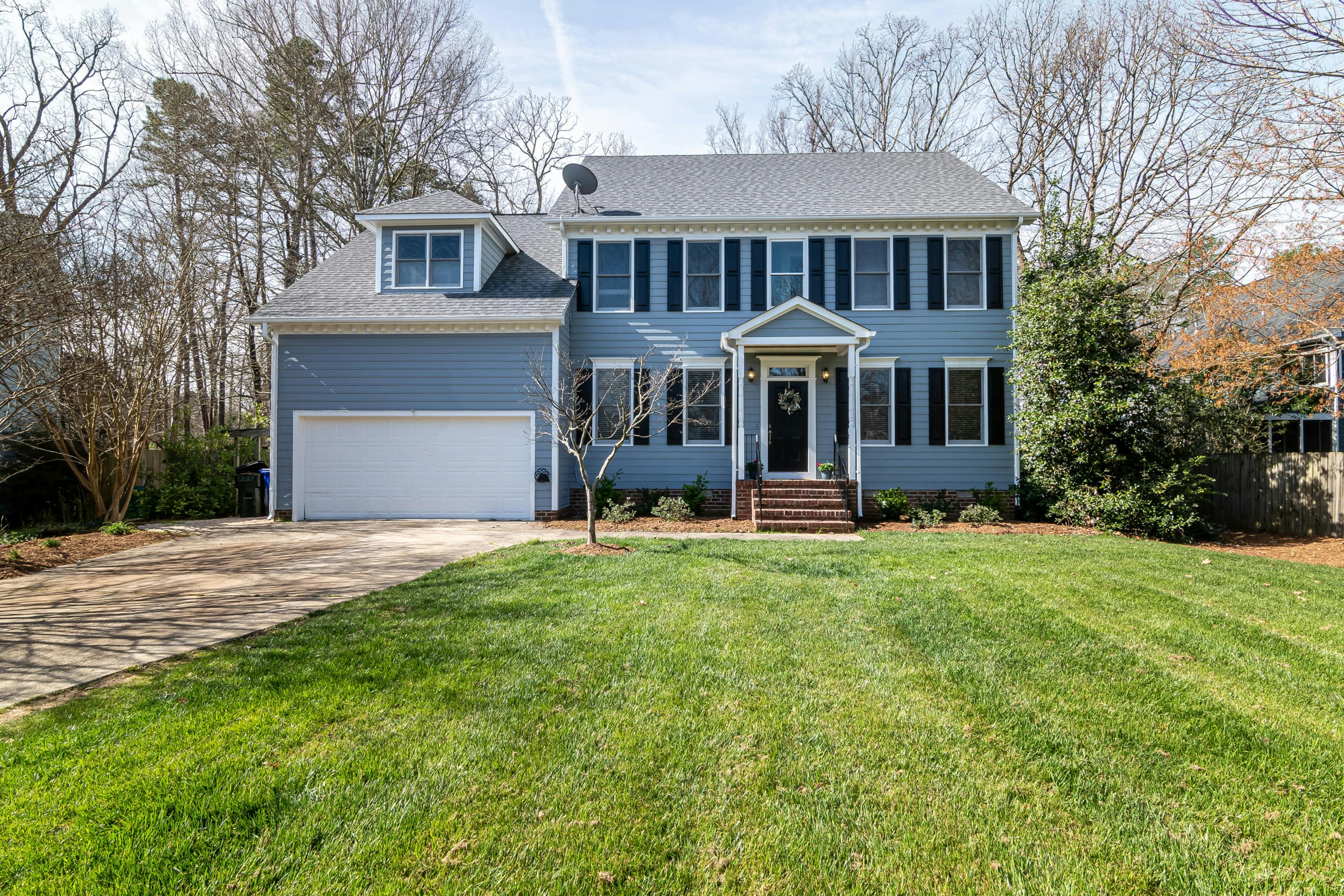
ARV is where most investment deals live or die. And it's where the most delusional math happens. Here is how I calculate it from both the agent and contractor perspective.

>- BRRRR works in Philadelphia, but the exit math is tighter than in other markets. Here is how to run the numbers honestly before you commit.
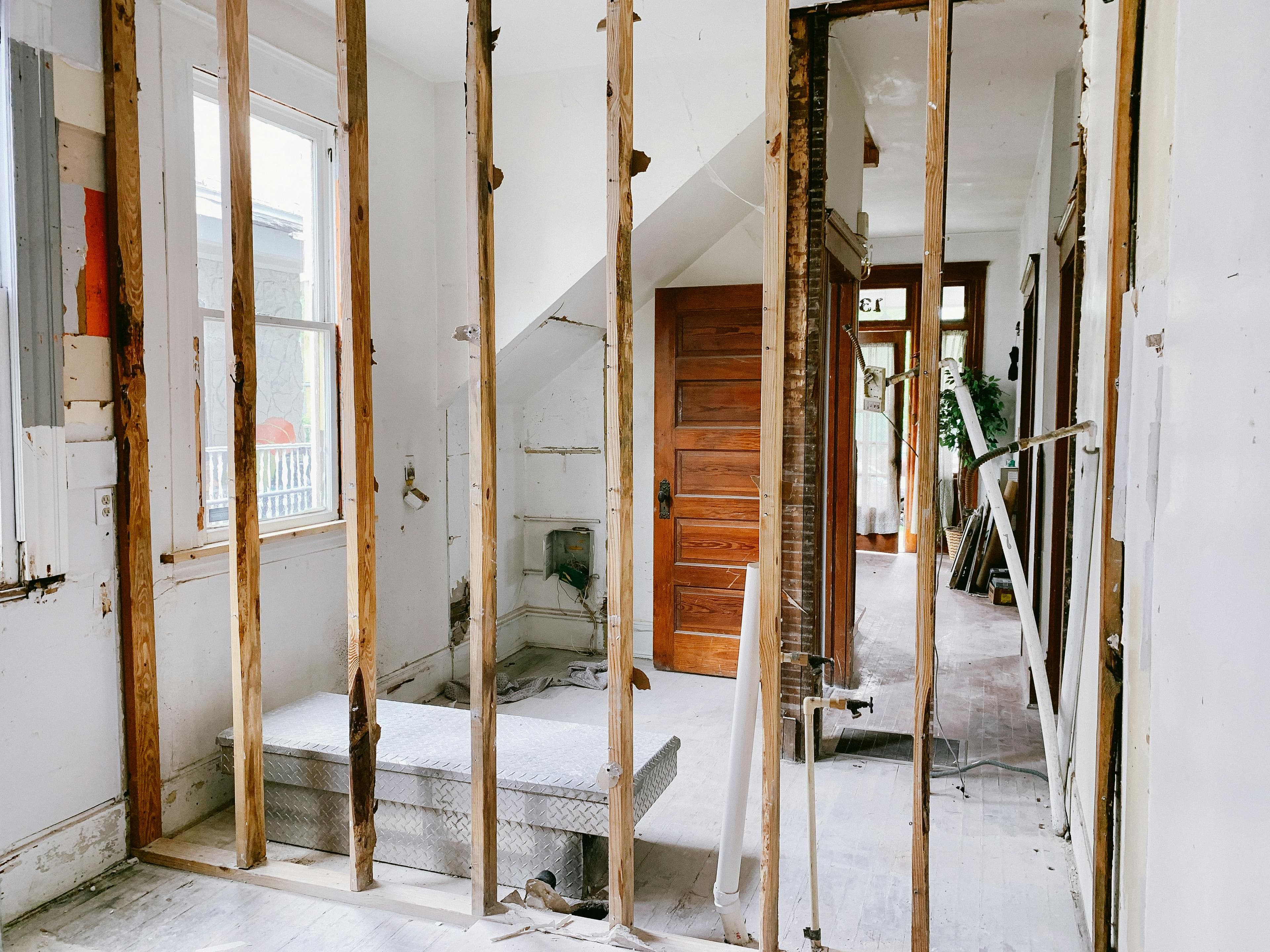
Rehab is where most projects die—either because budgets blow up or timelines slip. As a licensed contractor, I manage rehab differently than most investors expect.

Duplexes and triplexes split the difference between single-family and true multifamily. In Philadelphia, they're often where the best risk-adjusted returns live.

Your first investment property will teach you more than any course. But it will also teach you expensive lessons unless you have a partner who has made those mistakes before.

Most agents won't touch investor clients because they don't understand the business. I specialize in investor deals because my contractor background unlocks a real competitive edge.

Not all neighborhoods are created equal for investors. Here are the neighborhoods where I currently guide clients based on cash flow, appreciation potential, and execution risk.

The 70% rule is a quick screening tool that every Philadelphia investor should understand. Here's how I use it to evaluate hundreds of off-market deals.

Most flippers are either agents or contractors, but rarely both. Here is how I leverage both skills to execute Philadelphia flips with better margins and less risk.

>- A duplex becomes a strong value-add deal only when the renovation plan, neighborhood demand, and exit strategy all line up.

>- Both neighborhoods have strong investor activity, but they represent very different stages in a gentrification cycle. Your hold period and risk tolerance determine which is the better fit.

>- Both neighborhoods attract renter demand, but they do it for slightly different reasons and at different risk profiles.