After-Repair Value: How I Calculate It for Sellers & Investors
Key Takeaways
- - The 70% Rule Explained: How I Help Investors Calculate Deals in Philly
- After-repair value is the hypothetical sale price of a property after all intended rehab work is complete.
- It's not a guess; it's not a hope; it's not what you think it "should" be worth.
- ARV is the only question that matters in an investment deal.
- Get it wrong, and the entire deal math collapses.
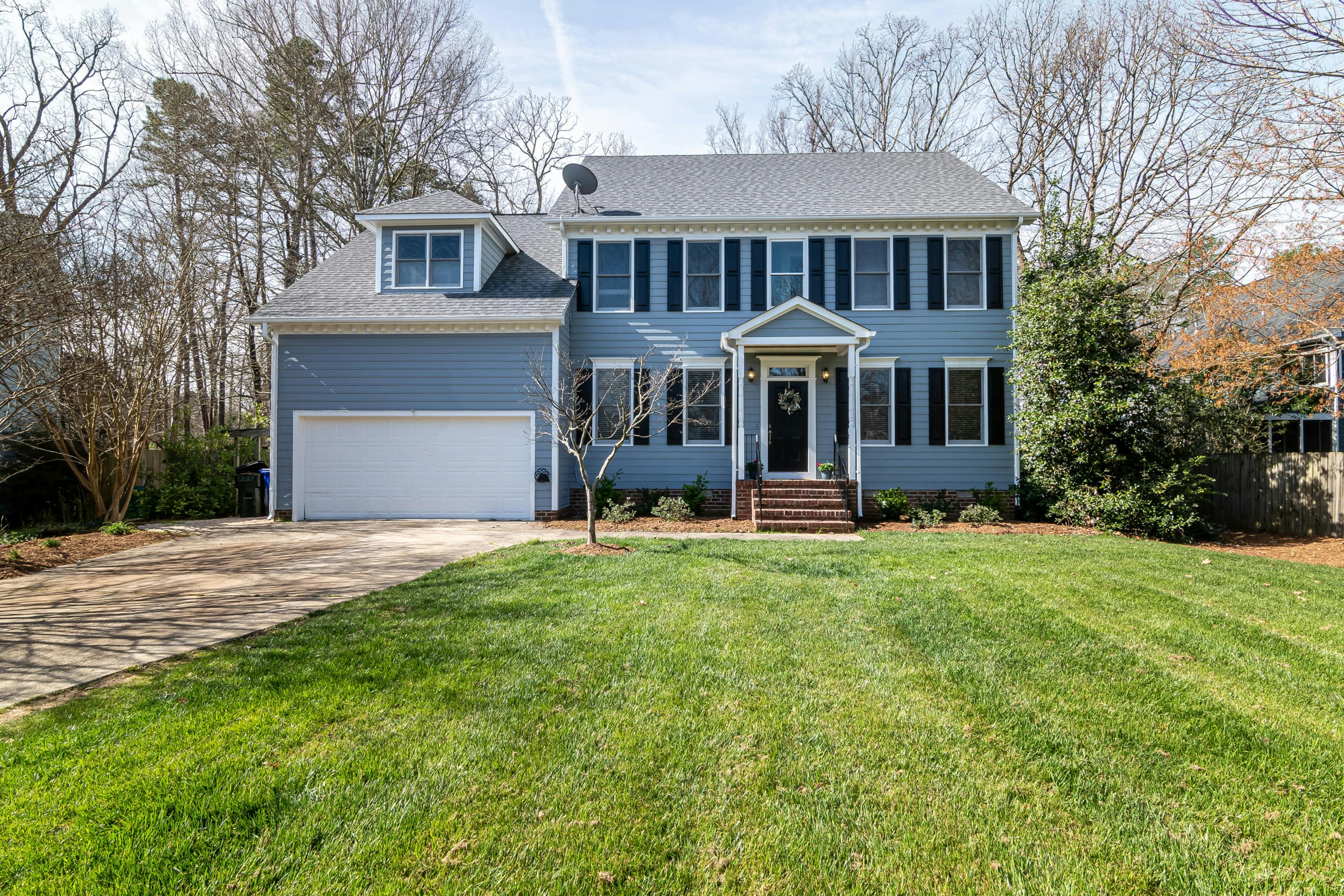
ARV mistakes are where most investment deals blow up financially
After-repair value is the hypothetical sale price of a property after all intended rehab work is complete. It's not a guess; it's not a hope; it's not what you think it "should" be worth.
ARV is the only question that matters in an investment deal. Get it wrong, and the entire deal math collapses.
How I calculate ARV: the framework
Step 1 — Identify truly comparable properties: Not the fantasy comps that justify your deal. The boring, boring comparable sales from the last 90 days in the exact same neighborhood and very similar condition.
If you're calculating ARV for a renovated three-bedroom rowhome in Kensington, find three rowhomes in Kensington that sold in the last 90 days in similar condition. Don't use listings; use closed sales. Don't use different neighborhoods; use the exact block or adjacent blocks.
Step 2 — Adjust for specific differences: If your comps sold for $240,000, $245,000, and $242,000, the average is $242,300. That's your baseline ARV.
Now adjust for anything different about your property:
- Original hardwood floors vs refinished? Adjust down $2,000–$3,000.
- Original electrical system vs updated? Adjust down $1,500–$2,000.
- Rowhome with yard vs no yard? Adjust up $3,000–$5,000.
These adjustments should be modest. If you're adjusting more than $5,000–$10,000 on a $240,000 property, you're guessing.
Step 3 — Validate against future rents: If you're buying for a long-term hold or BRRRR play, your ARV should support rents. A three-bedroom rowhome valued at $250,000 should rent for at least $1,400–$1,500 in most Philadelphia neighborhoods.
If your ARV is $250,000 but comparable rents are $1,200, your ARV might be fantasyland. Buyers will demand lower prices if the rent-to-value ratio is weak.
The ARV traps I see investors fall into
Fantasy appreciation: Assuming neighborhood will appreciate 5–7% per year. That's hope, not ARV. Use current comps, not predicted comps.
Comparing across neighborhoods: A renovated rowhome in Point Breeze is worth more than the identical rowhome in Kensington. But that difference is built into the neighborhood comps already. Don't double-count it by using Point Breeze comps for a Kensington property.
Overvaluing custom finishes: You spend $8,000 on custom kitchen cabinetry. Tenant buyers don't pay an extra $8,000 for custom cabinets. They pay for functional, clean kitchens. Don't add your finish costs back to ARV.
Forgetting structural limits: A rowhome with a structural flaw, foundation issue, or system problem has an ARV ceiling. No amount of cosmetic renovation will overcome it. A buyer will pay what the market supports, and the market adjusts for hidden problems.
Using ARV defensively: protect your investment
When I use the 70% rule for deal screening, I'm using conservative ARV. I'd rather calculate low and be surprised by a slightly higher exit, than calculate high and blow up a deal.
Use ARV conservatively. Assume you'll miss your finish date by 30 days (carrying costs). Assume the property will sit for 45 days before sale (holding costs). Let those assumptions create a margin for error.
Internal Links
Related Guides
- The 70% Rule Explained: How I Help Investors Calculate Deals in Philly
- How to Underwrite a Philadelphia Duplex the Right Way
Category
Related Services and Locations
- Philadelphia real estate investor advisory services
- Invest in Philadelphia real estate with local guidance
- Philadelphia neighborhood market guides
Next Step
Related Guides
Browse all guidesInvestors
The 70% Rule Explained: How I Help Investors Calculate Deals in Philly
The 70% rule means you should pay no more than 70% of the after-repair value minus your total repair costs. It's a starting point, not a gospel, and context matters more than the formula.
Investors
What Is NOI (Net Operating Income) in Real Estate?
Net Operating Income (NOI) is Effective Gross Income minus Operating Expenses. It excludes mortgage debt service, income taxes, depreciation, and capital expenditures. NOI drives both cap rate and DSCR, which is why lenders and investors care about it more than any other line on a rental pro forma.
Investors
Philadelphia Real Estate Investing: How I Help Investors Buy, Renovate, and Hold
I help Philadelphia real estate investors as both a licensed agent and a licensed contractor. That means one person handles deal sourcing, underwriting, contractor pricing, renovation scope, and rental license lift on the same property, with no finger pointing between vendors.