The Philadelphia Rehab Process: What I Offer Sellers & Flippers
Key Takeaways
- I guide sellers toward tenant-quality before rental, and I guide flippers toward tenant-quality for maximum ROI. Don't overfine for a rental or a quick flip.
- I've managed hundreds of renovations—some as the licensed contractor, some as the investor advisor, and some as both.
- The common thread in failed rehabs is not skilled labor or material cost; it's process failure.
- Specifically: trades working out of sequence, scope creep happening mid-project, and financial controls that break down once work starts.
- Phase 1 — Structural and systems (Week 1–4):
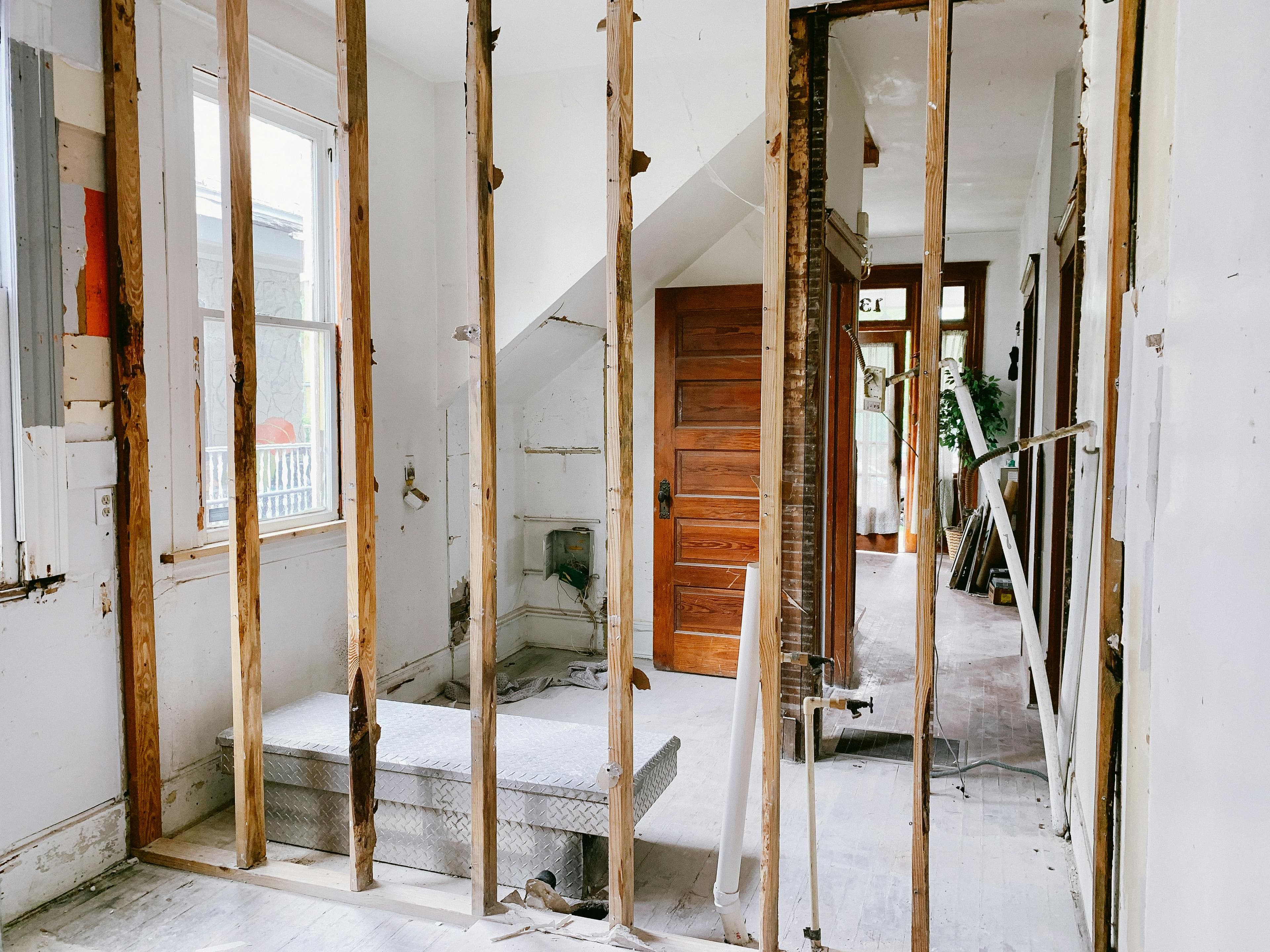
Most Philadelphia rehabs fail because of poor sequencing, not bad trades
I've managed hundreds of renovations—some as the licensed contractor, some as the investor advisor, and some as both. The common thread in failed rehabs is not skilled labor or material cost; it's process failure.
Specifically: trades working out of sequence, scope creep happening mid-project, and financial controls that break down once work starts.
My rehab sequencing for Philadelphia rowhomes
Phase 1 — Structural and systems (Week 1–4):
- Demolition and asbestos removal if needed
- Electrical panel and major wiring upgrades
- Plumbing rough-in
- HVAC planning
- Foundation work or masonry repair if identified
This phase is invisible in the final product, but it's where most budget surprises happen. I scope this aggressively before any trades start.
Phase 2 — Envelope and rough finishes (Week 4–8):
- Roof work if needed
- Window replacement
- Drywall and insulation
- Flooring prep
Phase 3 — Finish work and fixtures (Week 8–12):
- Painting and trim
- Kitchen and bath fixture installation
- Final flooring
- Electrical and plumbing trim
The key: I don't start phase 3 until phase 2 is 100% complete. Many flippers run these in parallel to "save time" and end up with rework and cost overruns.
Budget discipline: the 5% rule
When I scope a project, I build a detailed line-item budget. Then I add 5% for inevitable discovery items (hidden mold, unexpected plumbing failures, etc.). That's the only contingency.
Many investors build 10–15% contingency and still blow budget because they make scope change decisions emotionally instead of financially. I require written change orders for anything outside the original scope.
The contractor-investor advantage in your own flip
When I partner with investors on flips, they don't hire a general contractor and hope for the best. I'm on-site weekly, I approve all work before payment, and I stop change creep before it starts.
This level of project management is what separates successful flippers from those who get stuck with cost overruns and timeline delays.
Tenant-quality vs owner-occupant quality rehab
Many investors confuse these standards. Tenant-quality rehab means:
- Functional, durable finishes (not premium)
- Systems that work reliably
- Clean, neutral presentation
- Total spend: $30,000–$45,000 for a rowhome
Owner-occupant quality means:
- Aesthetic choices and premium finishes
- Updated design, high-end appliances
- Personalized details
- Total spend: $60,000–$100,000+ for a rowhome
I guide sellers toward tenant-quality before rental, and I guide flippers toward tenant-quality for maximum ROI. Don't overfine for a rental or a quick flip.
Internal Links
Related Guides
- Flipping Houses in Philadelphia: My Process as an Agent & Contractor
- To Fix or Not to Fix: A Seller's Guide to Pre-Sale Repairs
Category
Related Services and Locations
- Philadelphia real estate investor advisory services
- Invest in Philadelphia real estate with local guidance
- Construction project management services
Next Step
Related Guides
Browse all guidesInvestors
Flipping Houses in Philadelphia: My Process as an Agent & Contractor
The agent-contractor advantage means I can source deals at wholesale, execute rehab at cost, and sell into prepared buyer pools. I walk you through a real Philadelphia flip from acquisition to settlement.
Investors
What Is NOI (Net Operating Income) in Real Estate?
Net Operating Income (NOI) is Effective Gross Income minus Operating Expenses. It excludes mortgage debt service, income taxes, depreciation, and capital expenditures. NOI drives both cap rate and DSCR, which is why lenders and investors care about it more than any other line on a rental pro forma.
Investors
Philadelphia Real Estate Investing: How I Help Investors Buy, Renovate, and Hold
I help Philadelphia real estate investors as both a licensed agent and a licensed contractor. That means one person handles deal sourcing, underwriting, contractor pricing, renovation scope, and rental license lift on the same property, with no finger pointing between vendors.