Flipping Houses in Philadelphia: My Process as an Agent & Contractor
Key Takeaways
- The agent-contractor advantage means I can source deals at wholesale, execute rehab at cost, and sell into prepared buyer pools. I walk you through a real Philadelphia flip from acquisition to settlement.
- Most Philadelphia flips are executed by either a real estate investor who hires contractors, or a contractor who acts as the investor.
- Neither has the full picture.
- I operate both roles simultaneously.
- As your agent, I can source off-market deals, analyze comparables, and understand buyer psychology before you even make an offer.
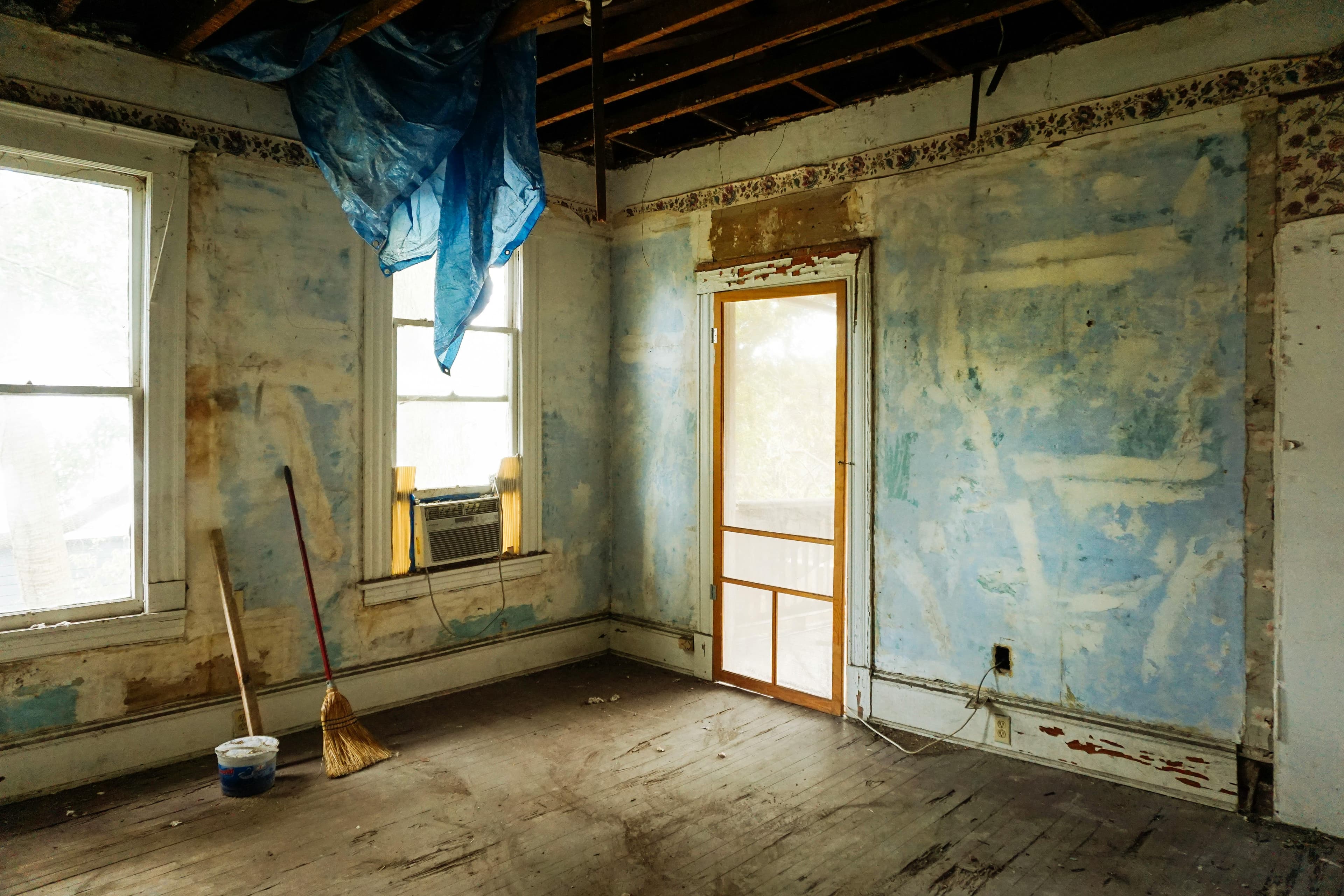
The advantage of being both the flipper's agent and his contractor
Most Philadelphia flips are executed by either a real estate investor who hires contractors, or a contractor who acts as the investor. Neither has the full picture. I operate both roles simultaneously.
As your agent, I can source off-market deals, analyze comparables, and understand buyer psychology before you even make an offer. As a licensed contractor, I can audit repair estimates, catch scope creep, and execute finishes that command premium resale pricing.
This hybrid approach saves Philadelphia flips roughly 5–10% on total project cost, and accelerates timeline by shortening the sales period because I've already qualified my buyer pool.
My Philadelphia flip process, step by step
Acquisition: I identify properties off-market or in distressed conditions. My agent relationships give me access to coming-soon inventory and probate sales. My contractor eye lets me spot properties that look bad cosmetically but have solid bones — the best profit setup.
Underwriting: I use the 70% rule as a starting point, but I adjust for neighborhood appreciation and buyer demand. In Point Breeze, a 72–73% rule sometimes makes sense. In saturated areas, I stick to 68%.
If you want a more complete margin breakdown, see How Much Profit Can You Make Flipping Houses with the 70 Percent Rule?.
Repair scoping: Here is where the contractor credential matters most. I walk the property not just for cosmetics, but for systems, code compliance, and hidden costs. Common inspection pitfalls that agents miss — like deferred electrical upgrades or plumbing failures hidden behind walls — get caught in my scoping phase.
Execution: I manage the rehab as a licensed contractor. This means I can work with subcontractors at cost (not markup), catch quality issues in real time, and keep schedule. No surprises at closing because I've been on-site weekly.
Resale: Once the flip is complete, I shift into agent mode. I photograph and market to my qualified buyer list, price for quick sale, and handle negotiations. Most of my flips close within 45 days because the buyer pool is already warm.
The financial impact
A typical Philadelphia duplex flip without agent-contractor synergy might look like:
- Purchase: $200,000
- Repairs (third-party contractor markup): $60,000
- Carrying costs, holding: $15,000
- Realtor commission (2–3%): $10,000–$15,000
- Total cost: $285,000–$290,000
The same flip with agent-contractor advantage:
- Purchase: $200,000
- Repairs (contractor-managed, cost pricing): $52,000
- Carrying costs, holding: $12,000 (shorter timeline)
- Realtor commission (0–1%, internal): $0–$5,000
- Total cost: $264,000–$269,000
That 5–10% difference compounds quickly across multiple flips.
Internal Links
Related Guides
- Why I Partner with Investors: Agent-Contractor Advantage
- The Philadelphia Rehab Process: What I Offer Sellers & Flippers
- How Much Profit Can You Make Flipping Houses with the 70 Percent Rule?
Category
Related Services and Locations
- Philadelphia real estate investor advisory services
- Invest in Philadelphia real estate with local guidance
- Philadelphia neighborhood market guides
Next Step
Related Guides
Browse all guidesInvestors
The 70% Rule Explained: How I Help Investors Calculate Deals in Philly
The 70% rule means you should pay no more than 70% of the after-repair value minus your total repair costs. It's a starting point, not a gospel, and context matters more than the formula.
Investors
Philadelphia Real Estate Investing: How I Help Investors Buy, Renovate, and Hold
I help Philadelphia real estate investors as both a licensed agent and a licensed contractor. That means one person handles deal sourcing, underwriting, contractor pricing, renovation scope, and rental license lift on the same property, with no finger pointing between vendors.
Investors
What Is the Downside of a DSCR Loan?
The main downside of a DSCR loan is cost and constraint: rates and fees are often higher than conventional financing, and deal approval depends heavily on rental-income support.