Common Inspection Pitfalls: What I Look for as a Licensed Contractor
Key Takeaways
- There's a gap between what a home inspection report documents and what you'll actually pay to fix a house over five years.
- When I walk inspections with first-time buyers, I'm translating between those two worlds.
- Let me walk through the pitfalls that licensed contractors catch that standard inspectors often miss.
- Here's a common pattern in Philadelphia rowhomes: the electrical panel has been upgraded, but the work was done by a contractor who cut corners.
- New panel, but original Romex wiring still running through walls that should be in conduit
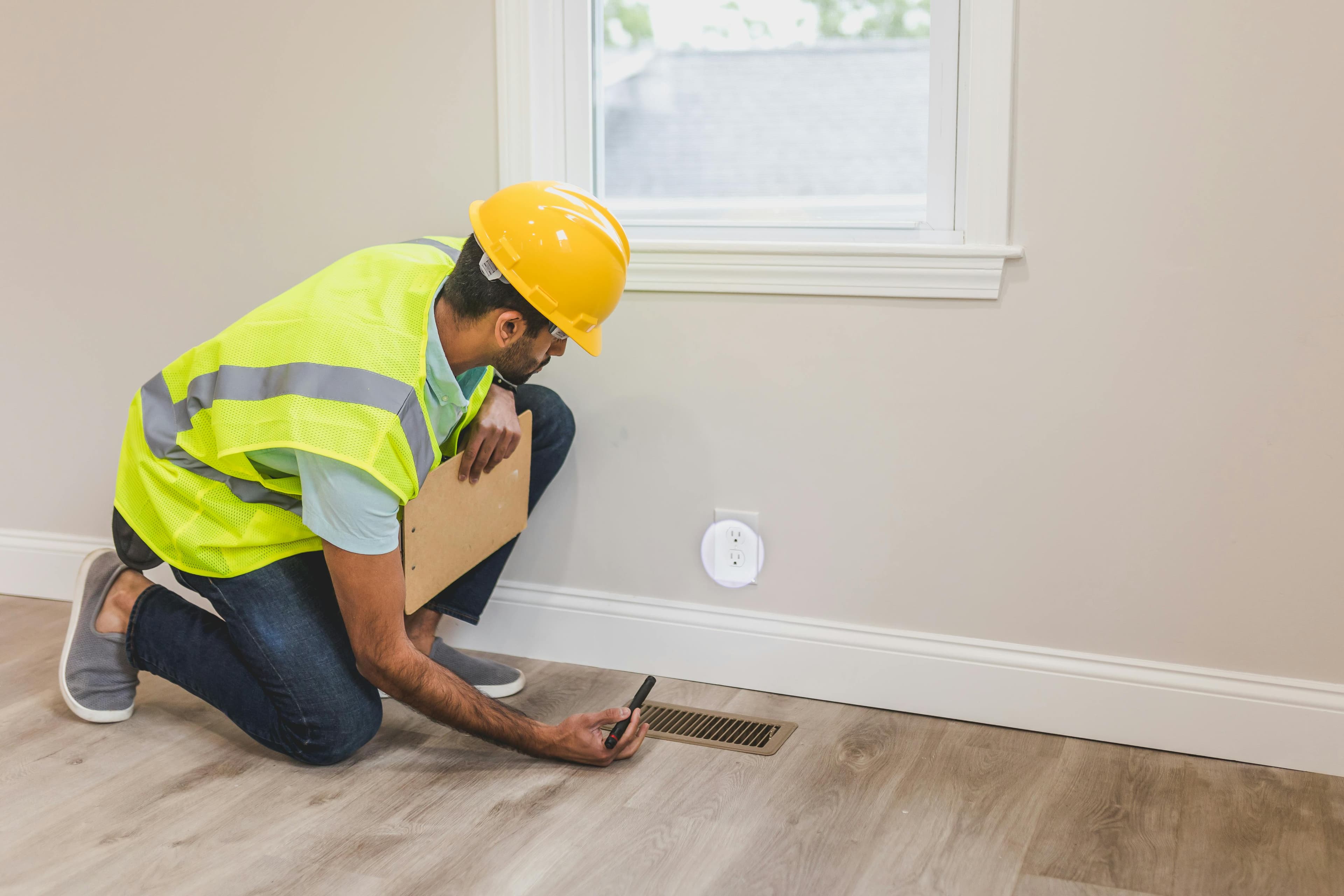
Inspectors file reports. Contractors see the future costs.
There's a gap between what a home inspection report documents and what you'll actually pay to fix a house over five years. When I walk inspections with first-time buyers, I'm translating between those two worlds.
Let me walk through the pitfalls that licensed contractors catch that standard inspectors often miss.
Electrical code issues masquerading as "updated"
Here's a common pattern in Philadelphia rowhomes: the electrical panel has been upgraded, but the work was done by a contractor who cut corners. You might see:
- New panel, but original Romex wiring still running through walls that should be in conduit
- Improper grounding on circuits, especially to the kitchen and bathrooms
- Breaker configurations that suggest code violations during rewire
A standard inspector will note the upgraded panel and move on. A contractor looks at the upgrade quality and understands that insurance carriers will find issues during a claim.
Water damage that's been masked, not fixed
Philadelphia masonry absorbs water differently than frame construction. I see this constantly: efflorescence (white mineral deposits) that gets painted over, basement cracks that have been freshly sealed but show a pattern of repeated failure, or interior water stains positioned strategically behind furniture.
As a contractor, I know those visual fixes bought time, not safety. That wall will fail again, often within 2–3 years.
Cosmetic renovations that hid system failures
This is where I see the biggest gap between inspector reports and actual buyer outcomes. You see a renovated kitchen with new cabinets and backsplash, so the inspector notes "updated kitchen." But I'm looking at the framing under those cabinets, the plumbing connections hidden by the new layout, and whether electrical was run properly.
Many "renovations" are cosmetic updates that masked the real work that should have been done underneath.
Roof condition beyond age
Inspectors assess roof age and visible defects. Contractors assess flashing, membrane condition, and whether the roof is approaching failure. In Philadelphia, I see roofs that look fine from the street but are rotting from the underside because of condensation and poor attic ventilation.
Code violations that buyers inherit
Some homes have additions, finished basements, or renovations that were never permitted. An inspector notes the work. I assess the liability — will a buyer face fines from the city, or requirements to bring the work up to current code?
This is contractor-level knowledge that changes the deal.
The walk-through I do with buyer clients
When I guide first-time buyers through inspections, I focus on three things the standard inspection might miss:
- The age and condition of utilities (electrical, plumbing, HVAC) — not just whether they work, but when they'll fail
- Water intrusion patterns — not just current moisture, but evidence of recurring failure
- Deferred system maintenance disguised as cosmetic updates
These three categories account for about 80% of the surprises buyers face in their first 5 years of ownership.
Internal Links
Related Guides
- First-Time Buyer Checklist: What to Inspect Before You Buy
- What to Inspect Before Making an Offer on a Philadelphia Rowhome
Category
Related Services and Locations
- Philadelphia buyer representation services
- Buy a home with a Philadelphia real estate agent
- Philadelphia neighborhood market guides
Next Step
Related Guides
Browse all guidesBuyers
First-Time Buyer Checklist: What to Inspect Before You Buy
The best first-time buyer inspections combine a professional inspector with contractor-level scrutiny of systems, envelope, and code compliance. I guide clients through this process to avoid six-figure surprises after closing.
Buyers
East Passyunk vs Bella Vista, Lifestyle and Resale Comparison
East Passyunk is more expensive and more walkable. Bella Vista is cheaper and more residential. Both are appreciating, but East Passyunk is appreciating faster.
Buyers
Fishtown vs Northern Liberties, Which Fits Your Daily Life and Long Term Value
Fishtown is more walkable and has more bars and restaurants. Northern Liberties feels more established and is slightly cheaper. Both have already appreciated significantly, so you are buying lifestyle more than upside.