What to Inspect Before Making an Offer on a Philadelphia Rowhome
Key Takeaways
- I help Philadelphia buyers, sellers, and investors make better real estate decisions with practical strategy and execution support.
- <!-- contextual-links:1:start --
- If you want a side-by-side perspective, read Montgomery County vs Bucks County — Which Philadelphia Suburb Fits Your Life before finalizing your plan.
- <!-- contextual-links:1:end --
- A well-staged rowhome can make a buyer feel ready to offer before they have answered a single structural question.
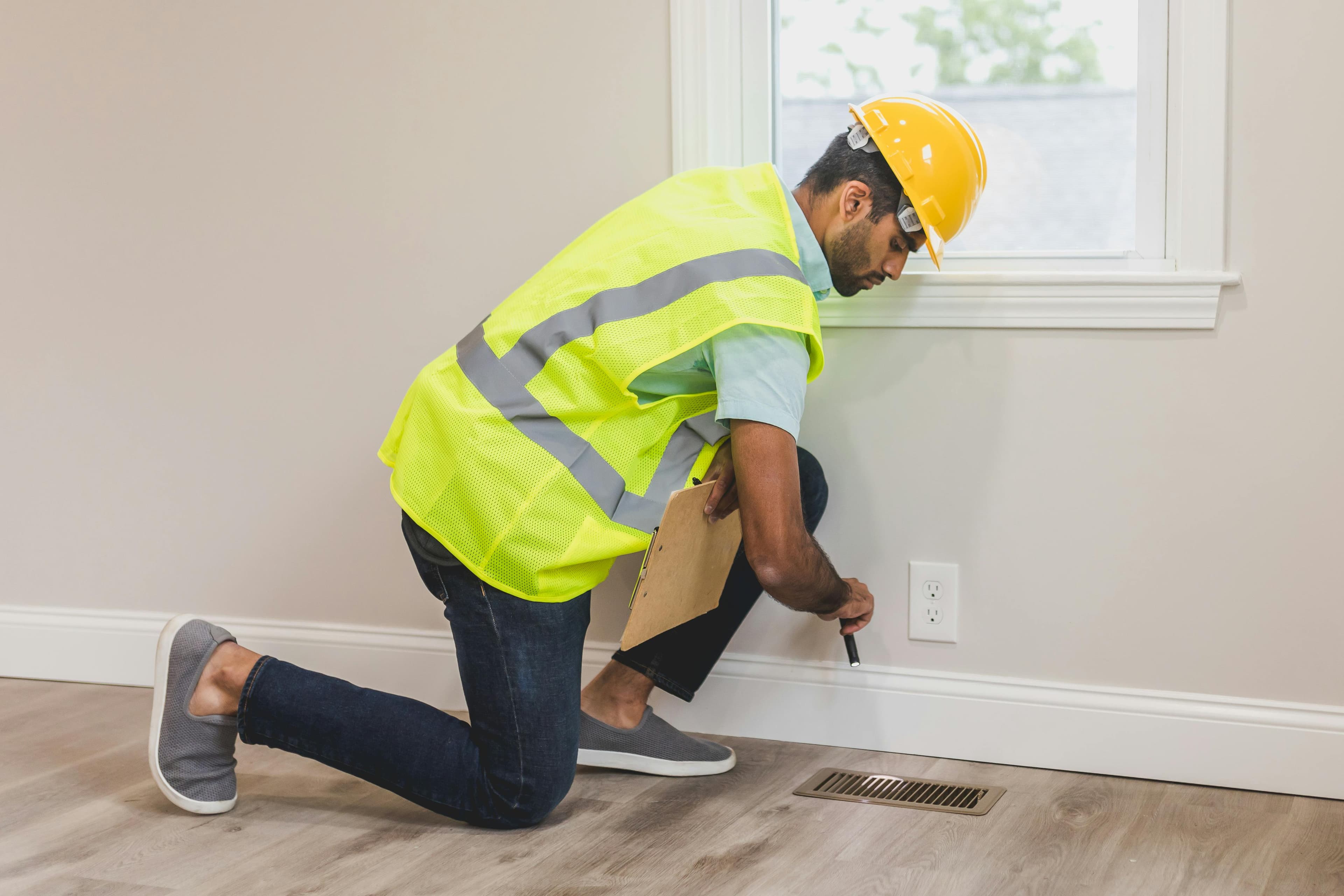
The showing tells you almost nothing about condition
If you want a side-by-side perspective, read Montgomery County vs Bucks County — Which Philadelphia Suburb Fits Your Life before finalizing your plan.
A well-staged rowhome can make a buyer feel ready to offer before they have answered a single structural question. That is the trap. Philadelphia's housing stock runs old — many homes predate 1950 — and the things that actually drive post-settlement costs are rarely visible during a 30-minute walkthrough.
Before I advise a client to put a number on paper, I want answers to five questions.
1. What is the roof status?
To connect this strategy to execution, review How to Choose the Right Philadelphia Neighborhood for Your Daily Routine, then map your next steps through Philadelphia home-buying service strategy and the Philadelphia neighborhood market guides.
Flat roofs are standard in Philadelphia row construction. They have a lifespan. A properly maintained EPDM or TPO membrane lasts 15 to 25 years. A neglected one leaks into the top floor and framing long before anyone notices it from inside.
Ask the seller directly for the last replacement date. If they don't know, assume it's older than it looks, and price that into your offer.
2. What is the party wall condition?
Shared walls between rowhomes are a Philadelphia reality. If the neighbor's wall has movement, your wall may too. Cracks that run diagonally through brick near corners are worth flagging for a structural engineer, not just a home inspector.
3. What is happening in the basement?
Basement moisture in a Philadelphia rowhome is common. The question isn't whether there's a history of water — it's whether it has been addressed honestly or just painted over. White mineral deposits (efflorescence), patched floor cracks, and fresh waterproofing paint are all signs worth slowing down for.
4. What is the electrical situation?
Knob-and-tube wiring still exists in older city stock. So do panels that haven't been upgraded since the 1970s. Insurance companies increasingly decline to cover homes with outdated electrical. Identify the panel brand and age before you get attached to a price.
5. What does the plumbing look like?
Cast iron drain stacks are the original plumbing in most pre-1960 Philadelphia rowhomes. They corrode. A camera inspection of the lateral line from house to street — a few hundred dollars — tells you whether you're buying a problem that will cost $15,000 to fix or a system that will last another decade.
How this changes your offer strategy
You don't need all five of these answers before making an offer in a competitive situation. But you should decide in advance which ones are deal-breakers and which are negotiating points. Inspection strategy is pricing strategy. Walk in with a plan.
Internal Links
Related Guides
- Montgomery County vs Bucks County — Which Philadelphia Suburb Fits Your Life
- How to Choose the Right Philadelphia Neighborhood for Your Daily Routine
Category
Related Services and Locations
- Philadelphia buyer representation services
- Buy a home with a Philadelphia real estate agent
- Philadelphia neighborhood market guides
Next Step
Related Guides
Browse all guidesBuyers
How to Buy a Philadelphia Rowhome Without Overpaying
>- The safest way to buy a Philadelphia rowhome is to price the block correctly, underwrite deferred maintenance honestly, and never confuse cosmetic updates with real systems quality.
Buyers
Common Inspection Pitfalls: What I Look for as a Licensed Contractor
Standard inspections miss deferred electrical work, hidden water damage in masonry, code violations, and the cumulative cost of "cosmetic" updates hiding system failure. I walk inspections with a contractor's eye, not an agent's.
Buyers
First-Time Buyer Checklist: What to Inspect Before You Buy
The best first-time buyer inspections combine a professional inspector with contractor-level scrutiny of systems, envelope, and code compliance. I guide clients through this process to avoid six-figure surprises after closing.