First-Time Buyer Checklist: What to Inspect Before You Buy
Key Takeaways
- I've been on both sides — as an agent protecting my buyer clients, and as a licensed contractor who actually rebuilds homes from the foundation up.
- Those two perspectives matter because a standard home inspection checklist doesn't always catch what will actually cost you money three to five years out.
- When I work with first-time buyers in Philadelphia, we layer two levels of scrutiny.
- The professional inspector gives you the official report.
- My contractor lens tells you which items on that report are emergencies, which are deferred maintenance you can negotiate, and which are cosmetic noise.
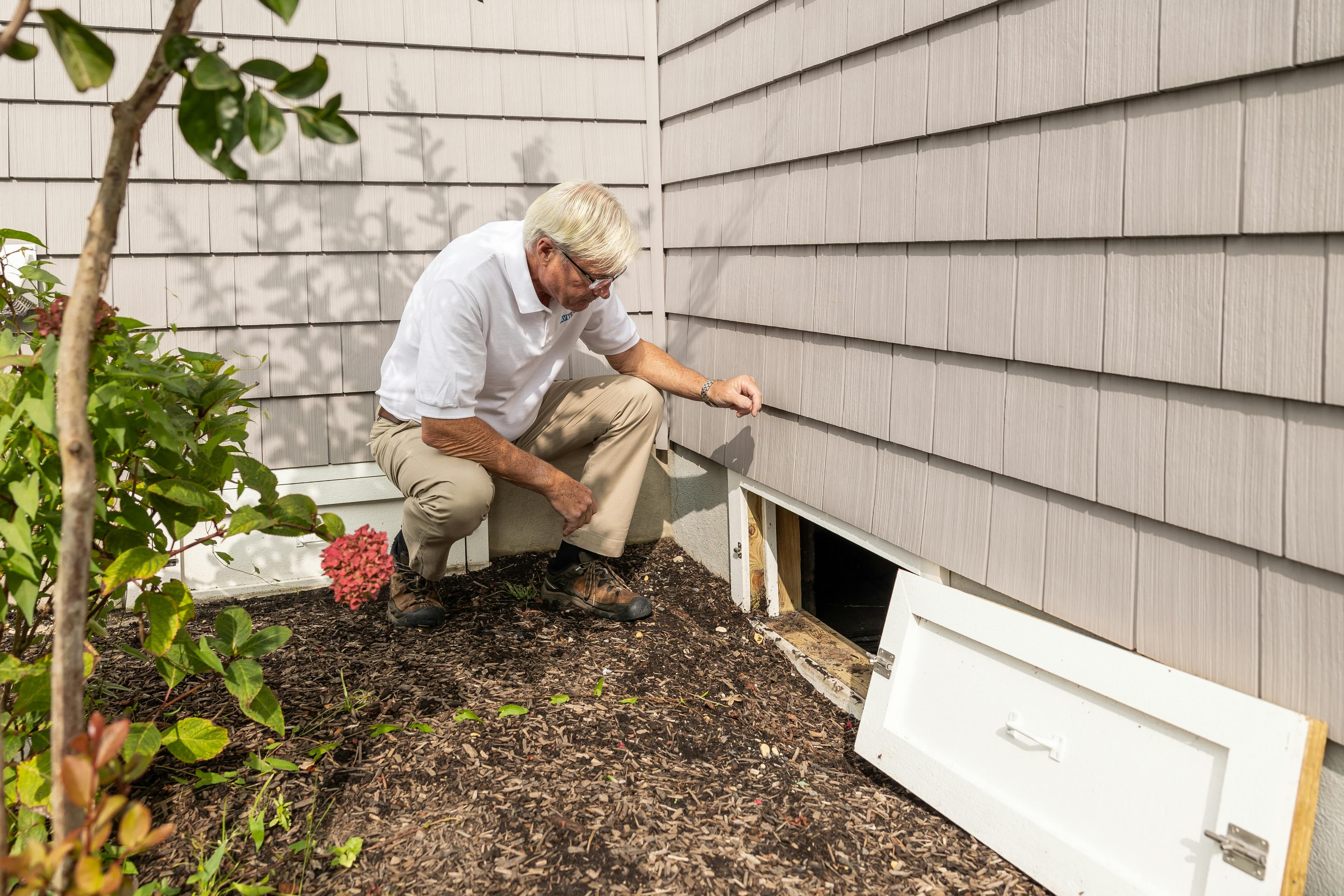
The inspector tells you what's broken. The contractor tells you why it matters.
I've been on both sides — as an agent protecting my buyer clients, and as a licensed contractor who actually rebuilds homes from the foundation up. Those two perspectives matter because a standard home inspection checklist doesn't always catch what will actually cost you money three to five years out.
When I work with first-time buyers in Philadelphia, we layer two levels of scrutiny. The professional inspector gives you the official report. My contractor lens tells you which items on that report are emergencies, which are deferred maintenance you can negotiate, and which are cosmetic noise.
The critical systems checklist
Roof and attic: Age, condition, and remaining lifespan. Roofs in Philadelphia typically last 15–25 years depending on material. If you're looking at a home built in 2000, the roof is past mid-life. Budget for replacement in your first five years.
Electrical panel: Knob-and-tube wiring, outdated amperage, or repeated breaker trips are red flags. Some insurers now decline homes with these conditions. This is contractor-level evaluation territory — it's not just about safety, it's about insurability and future resale.
Plumbing: Cast iron waste stacks corrode from the inside out. Many Philadelphia investors I guide use camera inspections of the main line to identify upcoming costs before they become emergency replacements in your first year.
HVAC: Age, efficiency rating, and maintenance history. A 20-year-old furnace works, but it's living on borrowed time. First-time buyers often confuse "working" with "reliable."
Basement or crawlspace: Moisture intrusion, mold, efflorescence, and water history. This is where contractor knowledge saves you. I look for not just current water presence, but patterns of repair, patching, and painting that suggest sellers tried to hide a history.
Envelope and structural assessment
The roof, windows, doors, and foundation create the home's sealed envelope. Cracks in the foundation, rotting window sills, or daylight visible around door frames tell a story about how water management has failed historically.
I recommend first-time buyers get a structural engineer inspection if there is any concern here — not just to satisfy insurance, but to understand the true scope of future work.
How I help first-time buyers use this checklist
When you work with me as your buyer's agent, I walk inspections with you and translate between inspector-speak and contractor reality. I help you understand what's a deal-breaker, what's a negotiating point, and what's just normal aging that you'll budget for over time.
First-time buyers often panic at every inspection issue. I help you distinguish between the urgent and the inevitable.
Internal Links
Related Guides
- What to Inspect Before Making an Offer on a Philadelphia Rowhome
- How to Choose the Right Philadelphia Neighborhood for Your Daily Routine
Category
Related Services and Locations
- Philadelphia buyer representation services
- Buy a home with a Philadelphia real estate agent
- Philadelphia neighborhood market guides
Next Step
Related Guides
Browse all guidesBuyers
Common Inspection Pitfalls: What I Look for as a Licensed Contractor
Standard inspections miss deferred electrical work, hidden water damage in masonry, code violations, and the cumulative cost of "cosmetic" updates hiding system failure. I walk inspections with a contractor's eye, not an agent's.
Buyers
Navigating FHA Loans: My Tips for Buyers & Investors
FHA loans require 3.5% down and accept lower credit scores than conventional financing, but you'll pay mortgage insurance forever and face appraisal scrutiny that kills deals. Use them strategically, not as a default.
Buyers
East Passyunk vs Bella Vista, Lifestyle and Resale Comparison
East Passyunk is more expensive and more walkable. Bella Vista is cheaper and more residential. Both are appreciating, but East Passyunk is appreciating faster.