Relocating to Philadelphia? Top Neighborhoods to Consider Investing In
Key Takeaways
- When families and professionals move to Philadelphia, they often face a timing problem: they need to decide where to live quickly, but they're not yet familiar with neighborhood character, job commutes, or long-term value trajectories.
- I guide relocation clients with a dual lens.
- First, does this neighborhood match how you actually live?
- Second, will this be a sound investment if your circumstances change in five to ten years and you need to sell?
- Fishtown/Northern Liberties: Strong job proximity (via SEPTA), emerging restaurant and cultural scene, and proven appreciation.
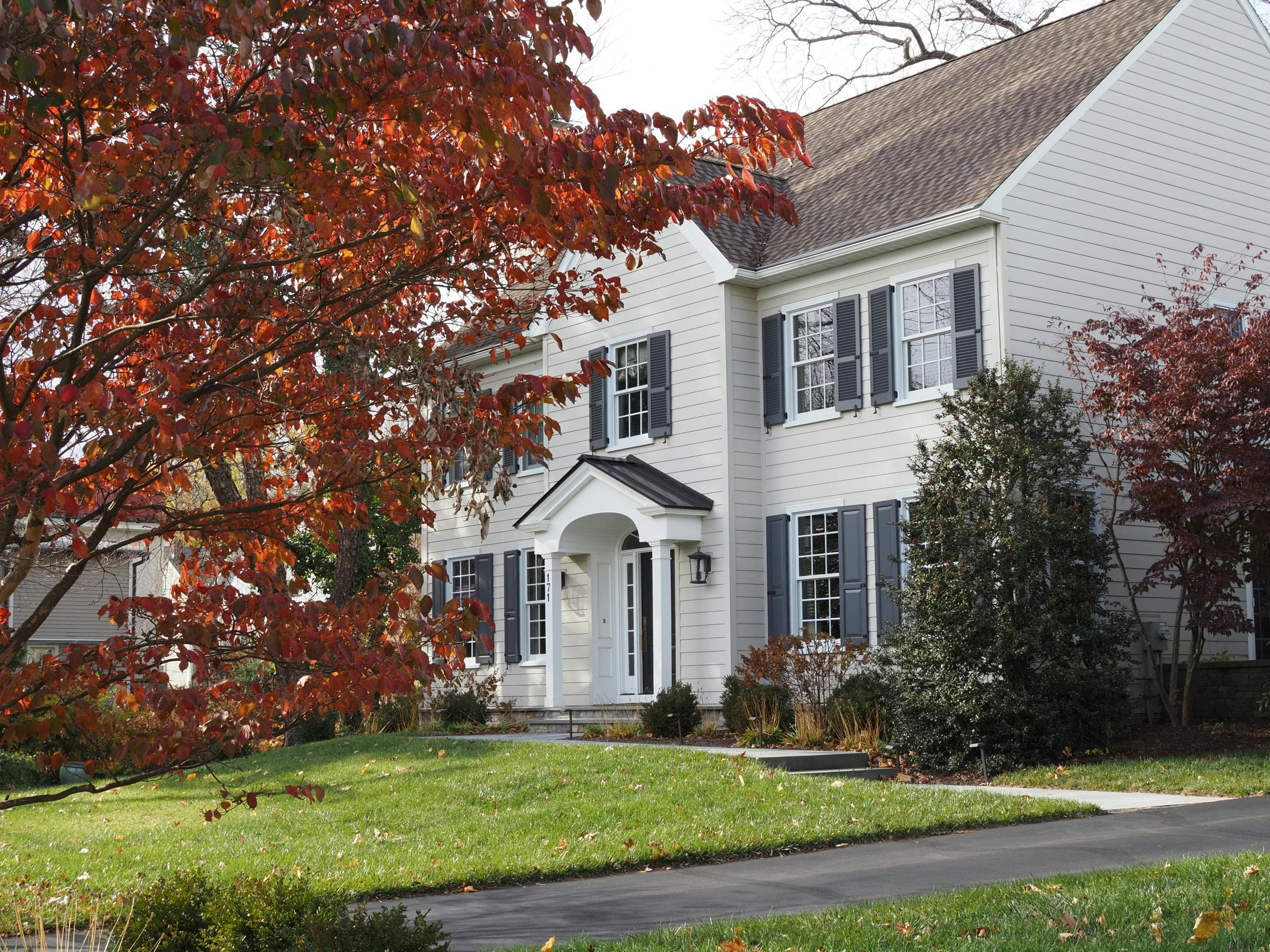
Relocation buyers need neighborhoods that feel like home and appreciate like investments
When families and professionals move to Philadelphia, they often face a timing problem: they need to decide where to live quickly, but they're not yet familiar with neighborhood character, job commutes, or long-term value trajectories.
I guide relocation clients with a dual lens. First, does this neighborhood match how you actually live? Second, will this be a sound investment if your circumstances change in five to ten years and you need to sell?
The neighborhoods I recommend to relocation buyers
Fishtown/Northern Liberties: Strong job proximity (via SEPTA), emerging restaurant and cultural scene, and proven appreciation. Buyer demographic is young professionals and young families. The tradeoff is density and noise.
Rittenhouse Square: Premium pricing but unmatched walkability and lifestyle. If your budget allows and you want to be in an established, stable neighborhood with strong resale, this is the market. I guide relocation buyers here when career stability and amenities matter more than appreciation percentage.
Graduate Hospital: The sweet spot for many relocation families. South Philly access, good walkability, restaurant culture, and neighborhood stability. As I guide investors through neighborhood comparison frameworks, this neighborhood sits at the stable end of the gentrification curve — lower future appreciation, but stronger current tenant/buyer quality.
Spruce Hill/University City: Strong job anchors (Penn, CHOP), cultural institutions, and college-town energy. Appreciate heavily if you work at or near Penn or Drexel, but less predictable for non-institutional employees.
Manayunk (Montgomery County suburb): For relocation buyers who want more space and yard. Commuting to the city is predictable via SEPTA, but you're trading walkability for equity appreciation. I recommend this for families who want to settle into homeownership rather than maximize near-term gain.
The decision framework I use with relocation clients
Before I recommend a neighborhood to a relocating buyer, I ask:
- Where will you work, and what is the realistic commute?
- How long do you plan to stay in this home?
- Are you building a family, or is this a launchpad for your next move?
- What amenities matter most to you?
The answer determines whether you need maximum appreciation (Point Breeze, emerging areas) or maximum stability and lifestyle (Rittenhouse, Manayunk).
Internal Links
Related Guides
- How to Choose the Right Philadelphia Neighborhood for Your Daily Routine
- Montgomery County vs Bucks County — Which Philadelphia Suburb Fits Your Life
Category
Related Services and Locations
- Philadelphia buyer representation services
- Buy a home with a Philadelphia real estate agent
- Philadelphia neighborhood market guides
Next Step
Related Guides
Browse all guidesBuyers
East Passyunk vs Bella Vista, Lifestyle and Resale Comparison
East Passyunk is more expensive and more walkable. Bella Vista is cheaper and more residential. Both are appreciating, but East Passyunk is appreciating faster.
Buyers
Fishtown vs Northern Liberties, Which Fits Your Daily Life and Long Term Value
Fishtown is more walkable and has more bars and restaurants. Northern Liberties feels more established and is slightly cheaper. Both have already appreciated significantly, so you are buying lifestyle more than upside.
Buyers
Best Philadelphia Neighborhoods for Young Professionals
The best neighborhoods for young professionals are Fishtown, Northern Liberties, East Passyunk, and Bella Vista. These neighborhoods are walkable, have vibrant communities, good transit access, and strong appreciation.