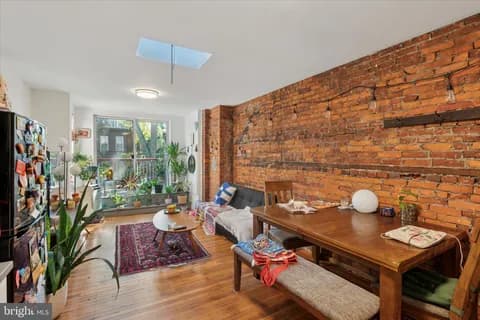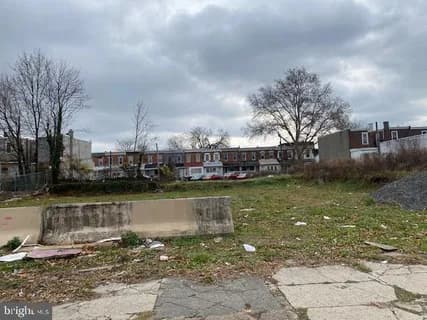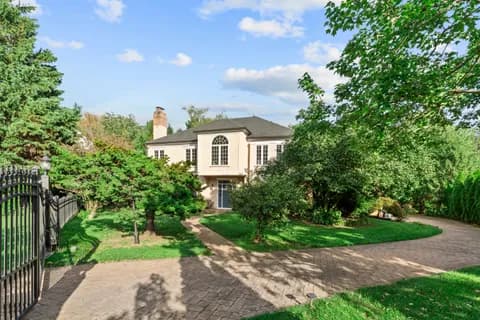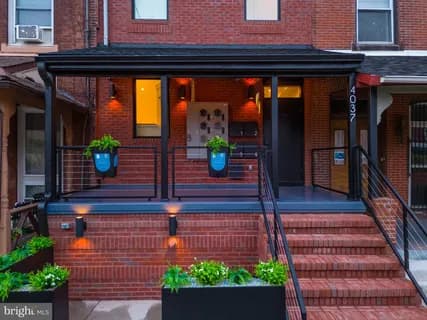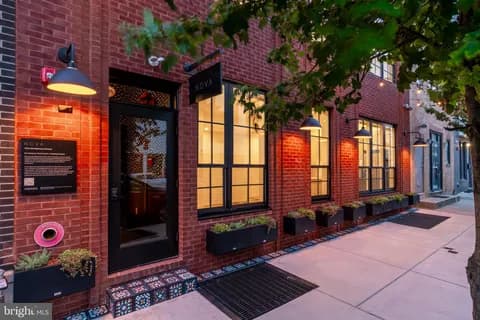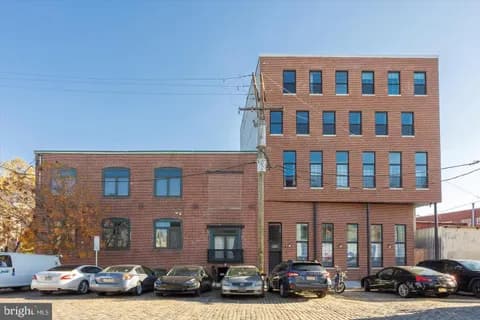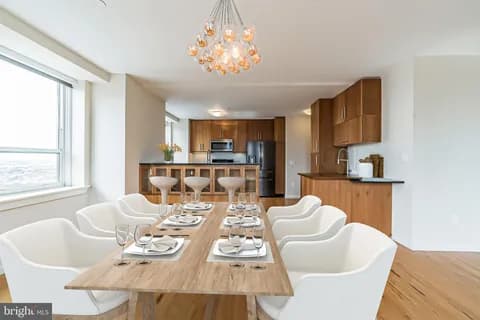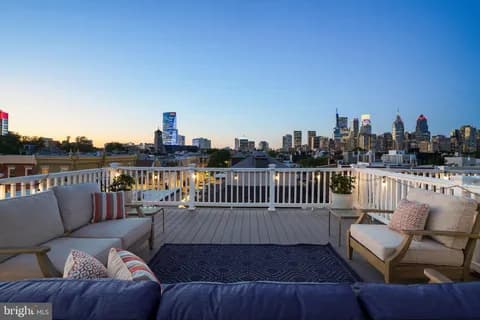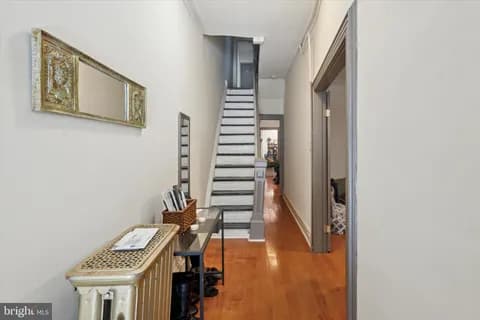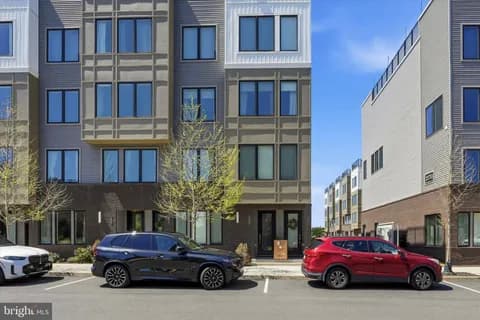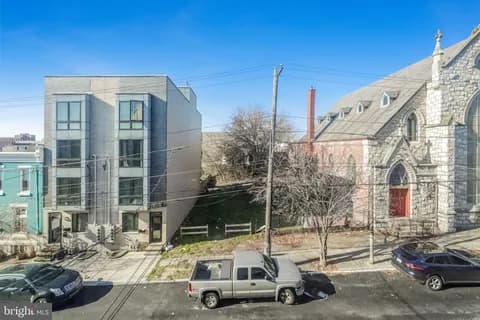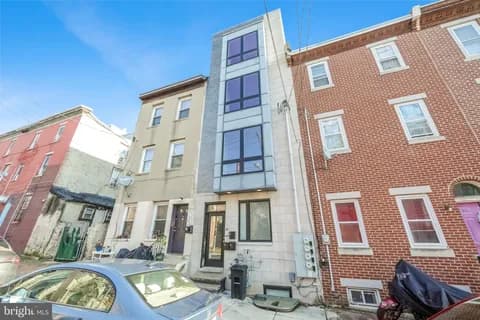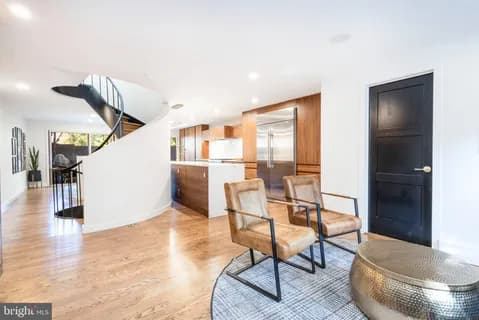

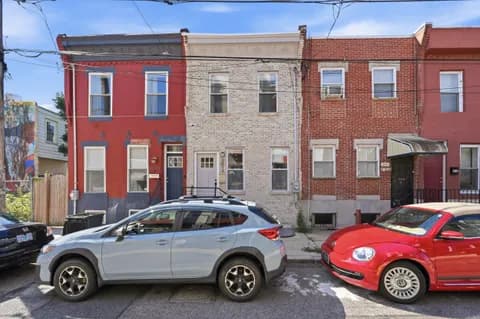
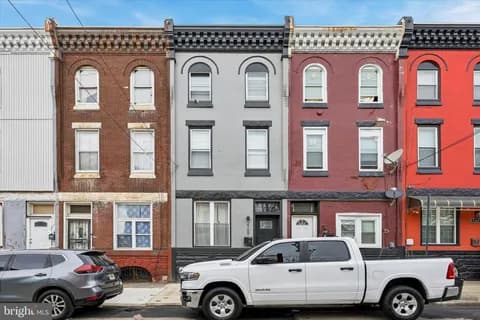
2709 West Glenwood Avenue, Philadelphia, PA 19121
4 Beds4 Baths2,075 Sq Ft
MLS ID: PAPH2603196 COMPASS RE

Reda Akbil
Investor-friendly REALTOR and licensed contractor in Montgomery County with more than 10 years of experience helping clients find, analyze, and close.
BRRRR method, flipping distressed properties, buy and hold, NOI, appreciation, and 1031 exchanges for both new and experienced investors.
I answer my phone every time

Focused guidance across the critical workstreams that shape successful Invest in Real Estate outcomes in Montgomery County.
Calculating cap rates, cash-on-cash returns, and NOI projections for Montgomery County properties — with real field knowledge from an active investor and licensed general contractor.
Access to distressed properties, foreclosures, and pocket listings not on the open market — sourced through contractor networks, wholesalers, and deep local relationships.
Structuring tax-deferred property swaps that let you roll equity from one investment into the next without triggering a capital gains event.
Advising on Buy-Rehab-Rent-Refinance-Repeat cycles, fix-and-flip timelines, and long-term hold decisions — with GC cost expertise baked directly into the underwriting.
Deep-dive data on Montgomery County neighborhoods with the highest rental demand, appreciation potential, and below-market acquisition opportunities.
Identifying value-add opportunities where targeted renovations — scoped with a licensed GC's eye — can meaningfully increase rental income or resale value in Montgomery County.
A disciplined investing process for Montgomery County — from deal sourcing and underwriting to execution and exit planning.
01
Identify on-market opportunities in Montgomery County through Compass One that match your strategy, timeline, and target returns.

02
Underwrite each deal with the right framework for your strategy, including 70% rule for flips and DSCR analysis for rentals.
03
Confirm after-repair value and create a realistic project budget covering renovation scope, holding costs, reserves, and exit costs.
04
Prepare a disciplined offer with contingencies, timelines, and pricing terms that protect your downside while staying competitive in Montgomery County.
05
Coordinate inspections, contractor walk-throughs, lender requirements, and title review so your numbers hold through closing.
06
Move from closing to execution with a clear operating plan for rehab, leasing, refinance, or resale based on your investment objective.
5-Year Growth
Montgomery County has seen sustained appreciation, resilient buyer demand, and strong premium performance in updated homes across both Main Line and suburban submarkets.
Median sale price growth
County-wide change across the last 5 years
Buyer demand increase
Higher showing and offer activity
Renovated-home premium
Stronger resale performance for updated homes
Top local picks across restaurants, shops, nightlife, and activities.

Founding Farmers King of Prussia
New American

True Food Kitchen
New American

Seasons 52
New American

Coyote Crossing
Mexican

Yard House
Bars
| Place | Category | Reviews | Ratings |
|---|---|---|---|
Founding Farmers King of Prussia New American | Restaurants | 2,027 | 3.6 |
True Food Kitchen New American | Restaurants | 983 | 4.2 |
Seasons 52 New American | Nightlife | 950 | 3.9 |
Coyote Crossing Mexican | Restaurants | 813 | 3.4 |
Yard House Bars | Nightlife | 738 | 3.7 |
Founding Farmers King of Prussia
New American
True Food Kitchen
New American
Coyote Crossing
Mexican

Sabrina's Café - Wynnewood
New American

The Cheesecake Factory
American
| Place | Category | Reviews | Ratings |
|---|---|---|---|
Founding Farmers King of Prussia New American | Restaurants | 2,027 | 3.6 |
True Food Kitchen New American | Restaurants | 983 | 4.2 |
Coyote Crossing Mexican | Restaurants | 813 | 3.4 |
Sabrina's Café - Wynnewood New American | Restaurants | 686 | 4 |
The Cheesecake Factory American | Restaurants | 678 | 2.8 |

King of Prussia
Shopping Centers

Bucci's Jewelry & Design
Jewelry

Creator's Court
Sewing & Alterations

Willow Grove Park Mall
Shopping Centers

Costco Wholesale
Wholesale Stores
| Place | Category | Reviews | Ratings |
|---|---|---|---|
King of Prussia Shopping Centers | Shops | 554 | 4.1 |
Bucci's Jewelry & Design Jewelry | Shops | 149 | 4.9 |
Creator's Court Sewing & Alterations | Shops | 146 | 4.8 |
Willow Grove Park Mall Shopping Centers | Shops | 116 | 3.5 |
Costco Wholesale Wholesale Stores | Shops | 114 | 3.6 |
Seasons 52
New American
Yard House
Bars

The StoneRose Restaurant
Bars

The Capital Grille
Steakhouses

North Italia
Italian
| Place | Category | Reviews | Ratings |
|---|---|---|---|
Seasons 52 New American | Nightlife | 950 | 3.9 |
Yard House Bars | Nightlife | 738 | 3.7 |
The StoneRose Restaurant Bars | Nightlife | 506 | 4 |
The Capital Grille Steakhouses | Nightlife | 488 | 4.1 |
North Italia Italian | Nightlife | 483 | 3.8 |

Bar Sera
New American

Keswick Theatre
Performing Arts

Ardmore Music Hall
Music Venues

Bryn Mawr Film Institute
Cinema

Rose Bridge Farm & Sanctuary
Ranches
| Place | Category | Reviews | Ratings |
|---|---|---|---|
Bar Sera New American | Activities | 217 | 4.4 |
Keswick Theatre Performing Arts | Activities | 185 | 3.5 |
Ardmore Music Hall Music Venues | Activities | 119 | 3.8 |
Bryn Mawr Film Institute Cinema | Activities | 95 | 4.2 |
Rose Bridge Farm & Sanctuary Ranches | Activities | 93 | 4.9 |
Nicholas's opinion on each neighborhood and who it's best for.

A core Main Line submarket with strong walkability, premium demand, and durable resale value. Ideal for buyers who prioritize location and long-term appreciation.
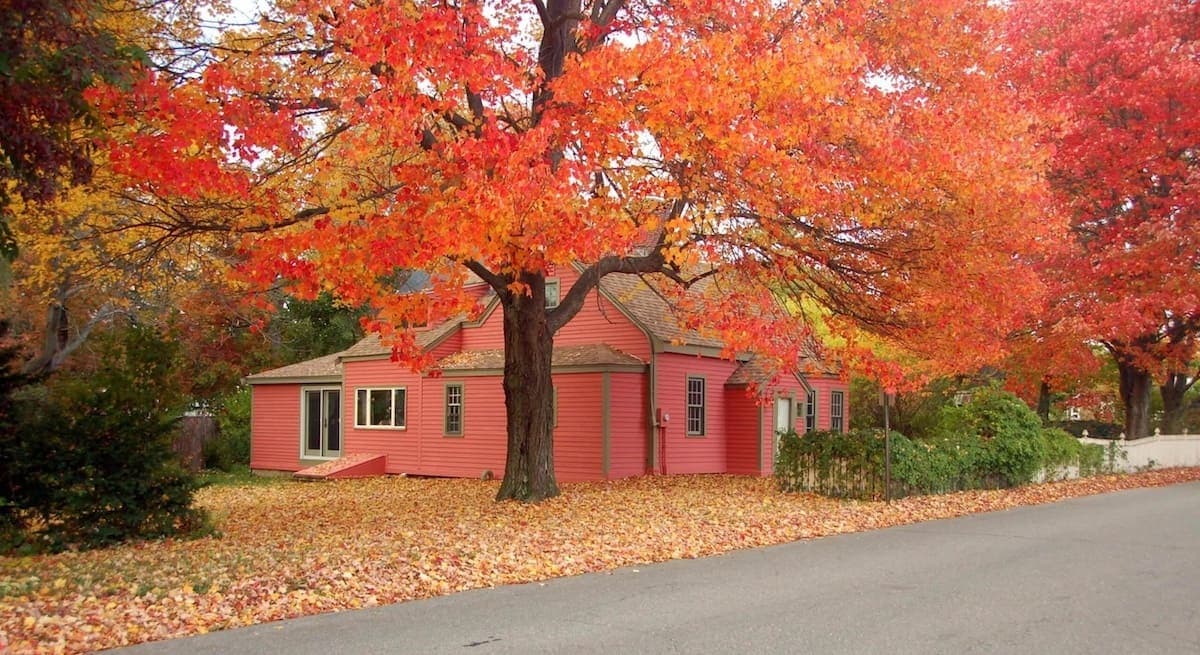
Quiet, established, and school-driven. Penn Wynne remains one of the most reliable family-focused pockets in Lower Merion for long-term stability.
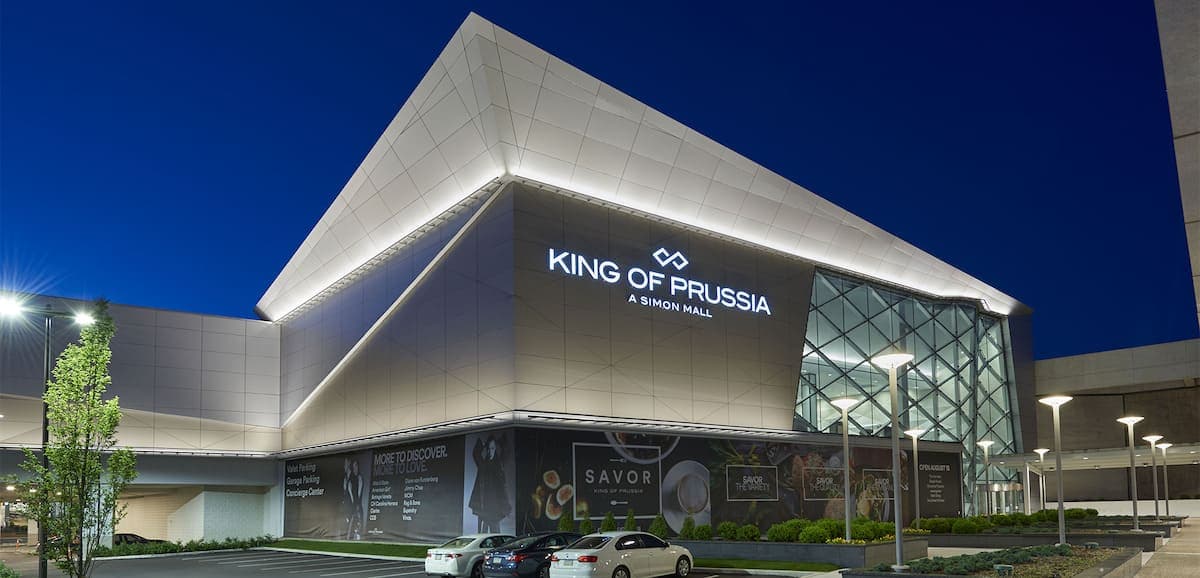
A major employment and retail hub with newer housing stock, highway access, and strong rental demand. Excellent for commuters and investors.

A high-demand riverfront market with strong nightlife, transit connectivity, and consistent demand from professionals working in Philly and the western suburbs.
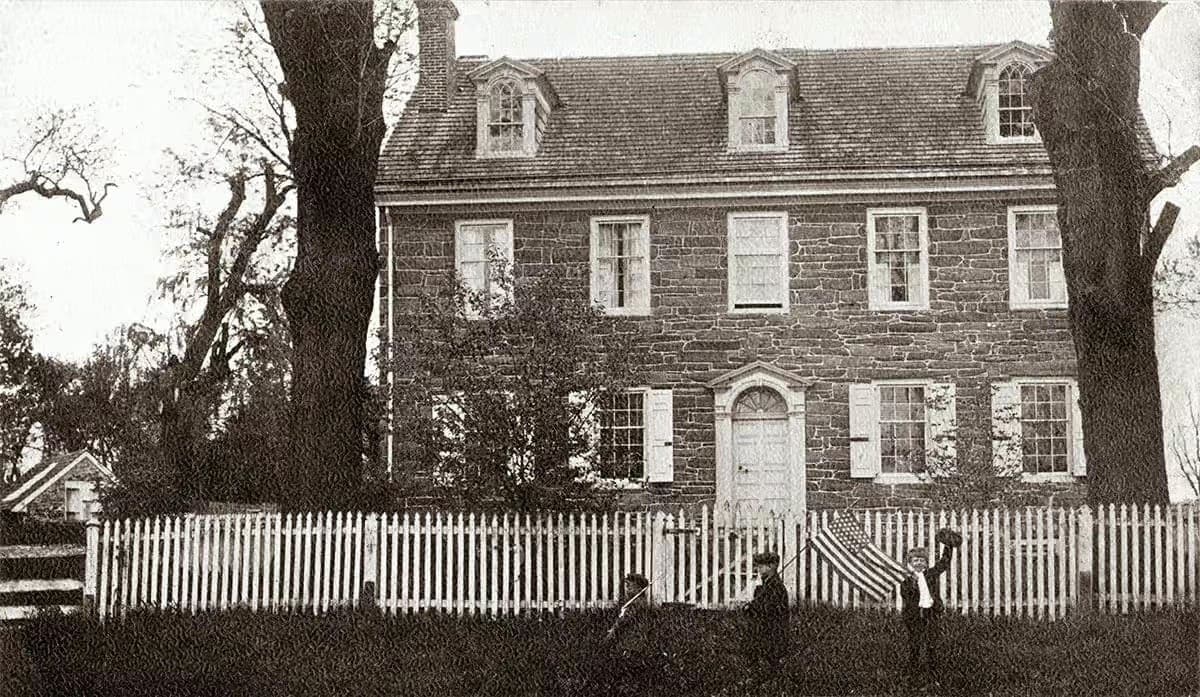
One of the Main Line's most charming boroughs with tight inventory and strong buyer competition. Great for lifestyle-focused buyers seeking walkability and community feel.

A transit-friendly borough with strong housing character and reliable commuter demand, making it a smart option for both owner-occupants and long-term investors.
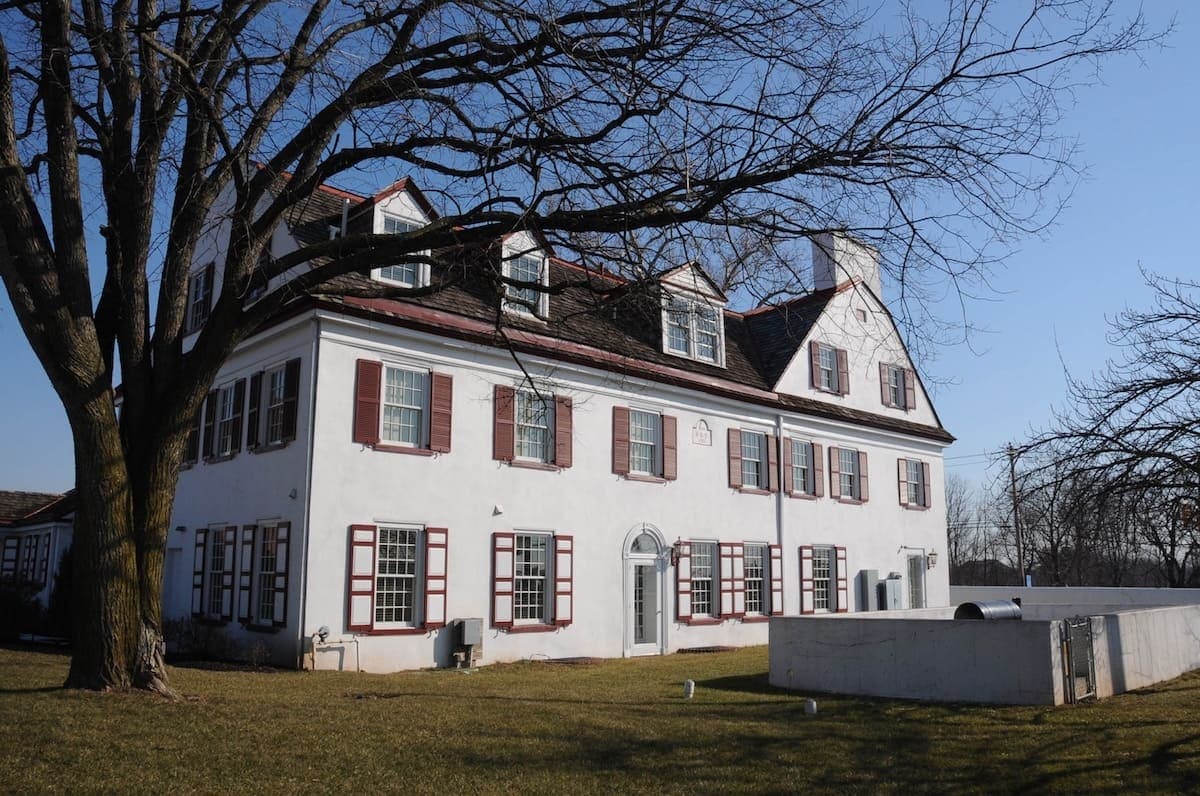
An upscale suburban market known for school quality, larger homes, and low-turnover inventory. Buyers here prioritize long-term livability and stability.
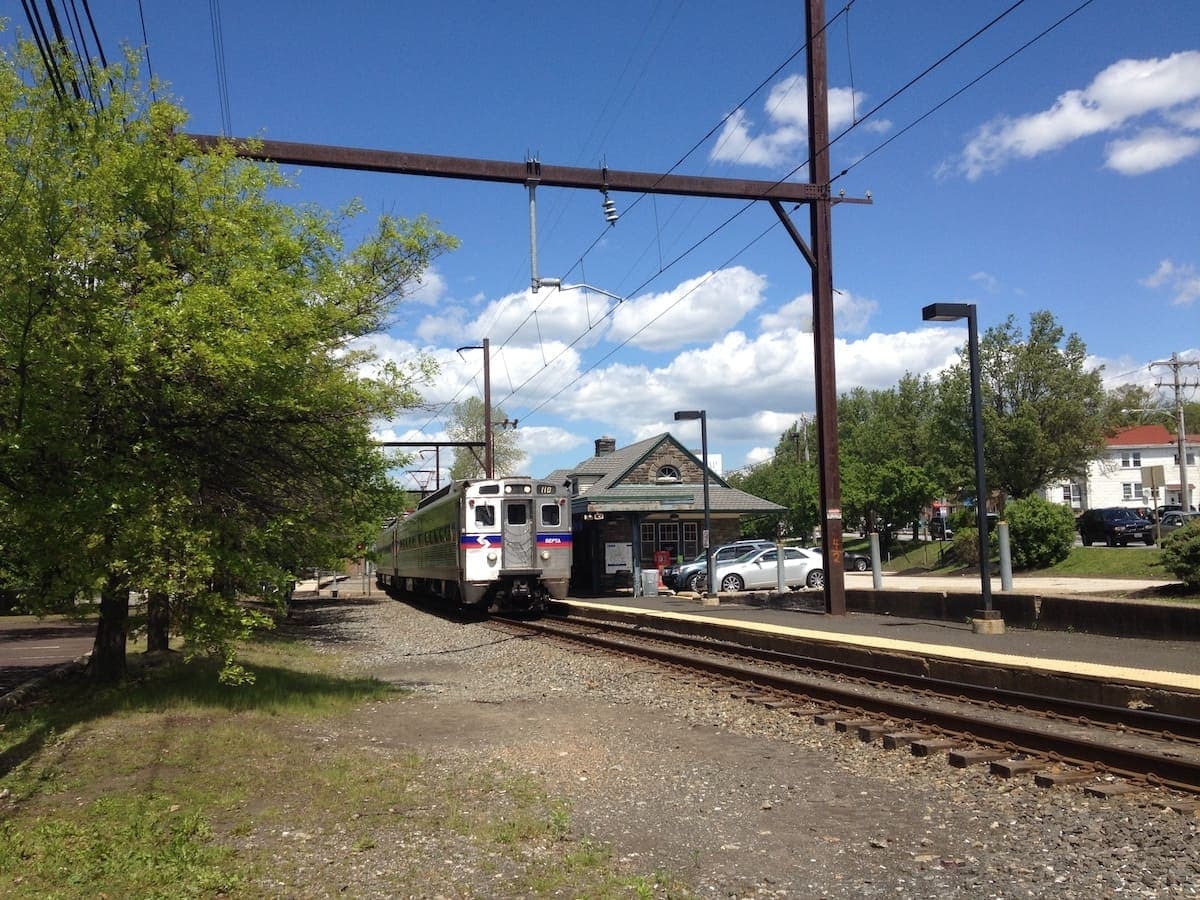
A practical value market with broad inventory and strong access to major commuter routes. Popular with first-time buyers and investors looking for solid fundamentals.
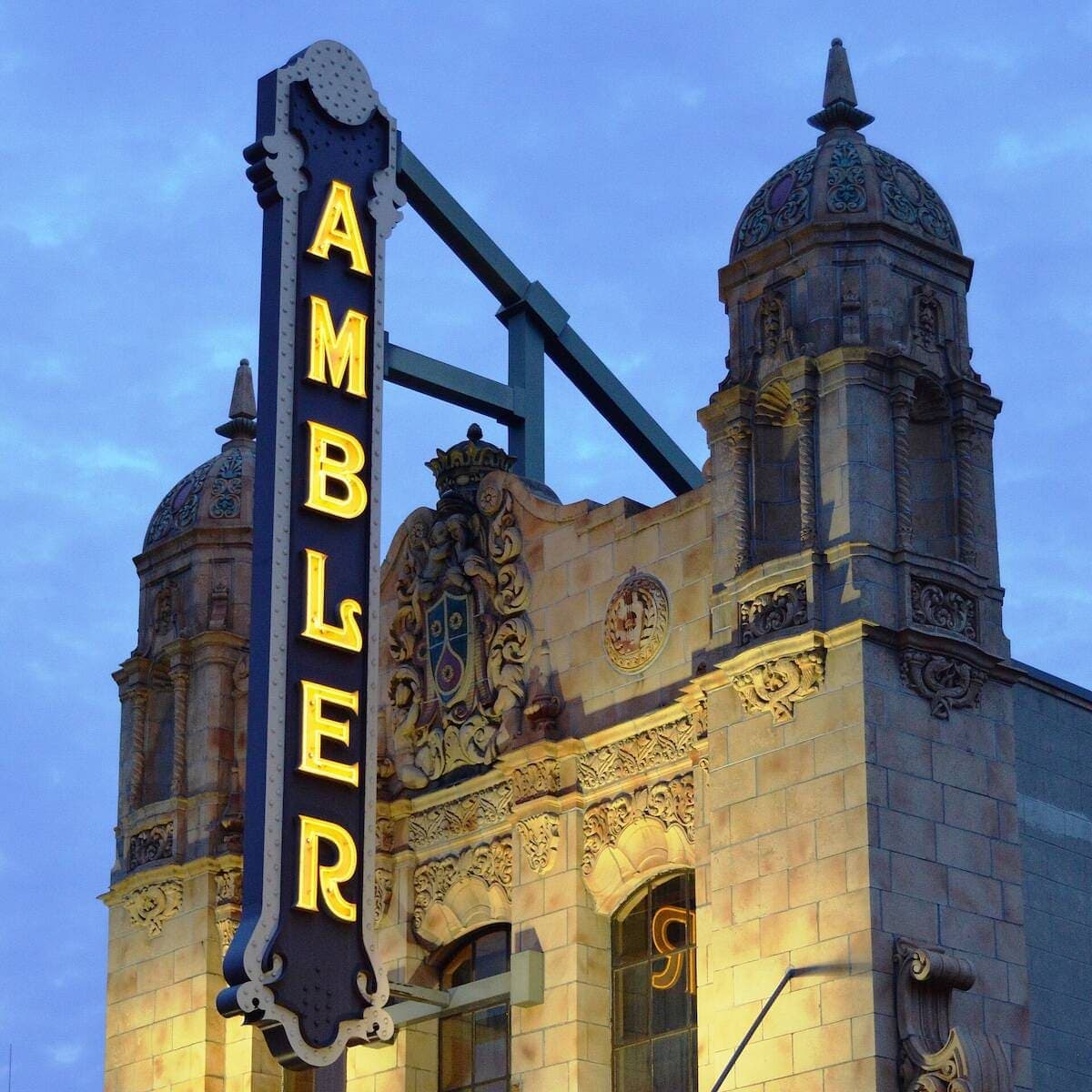
A vibrant, walkable borough with strong community identity, popular downtown amenities, and durable demand from buyers seeking suburban charm with convenience.
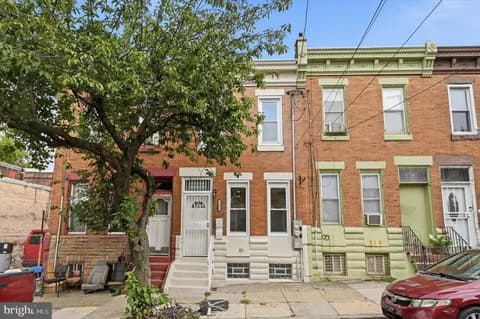
Browse our current inventory of available properties in Philadelphia.
MLS ID: PAPH2603196 COMPASS RE
Reda Akbil
MLS ID: PAPH2540218 COMPASS RE
Reda Akbil
MLS ID: PAPH2559284 COMPASS RE
Reda Akbil
MLS ID: PAPH2640968 COMPASS RE
Reda Akbil
MLS ID: PAPH2539622 COMPASS RE
Reda Akbil

Eman Elkalban
COMPASS RE
Reda Akbil
MLS ID: PAPH2648870 COMPASS RE
Reda Akbil
MLS ID: PAPH2649246 COMPASS RE
Reda Akbil
MLS ID: PAPH2610704 COMPASS RE
Reda Akbil
MLS ID: PAPH2608528 COMPASS RE

Bryce Kubecka
MLS ID: PAPH2614132 COMPASS RE
Bryce Kubecka
MLS ID: PAPH2610700 COMPASS RE
Reda Akbil
MLS ID: PAPH2614124 COMPASS RE
Reda Akbil
MLS ID: PAPH2540274 COMPASS RE
Reda Akbil
MLS ID: PAPH2540264 COMPASS RE
Reda Akbil
MLS ID: PAPH2621034 COMPASS RE
Reda Akbil
More than 10 years in real estate investing, property operations, and construction execution now power every client strategy.
Philadelphia Real Estate Realtor, Investor, and Licensed General Contractor at

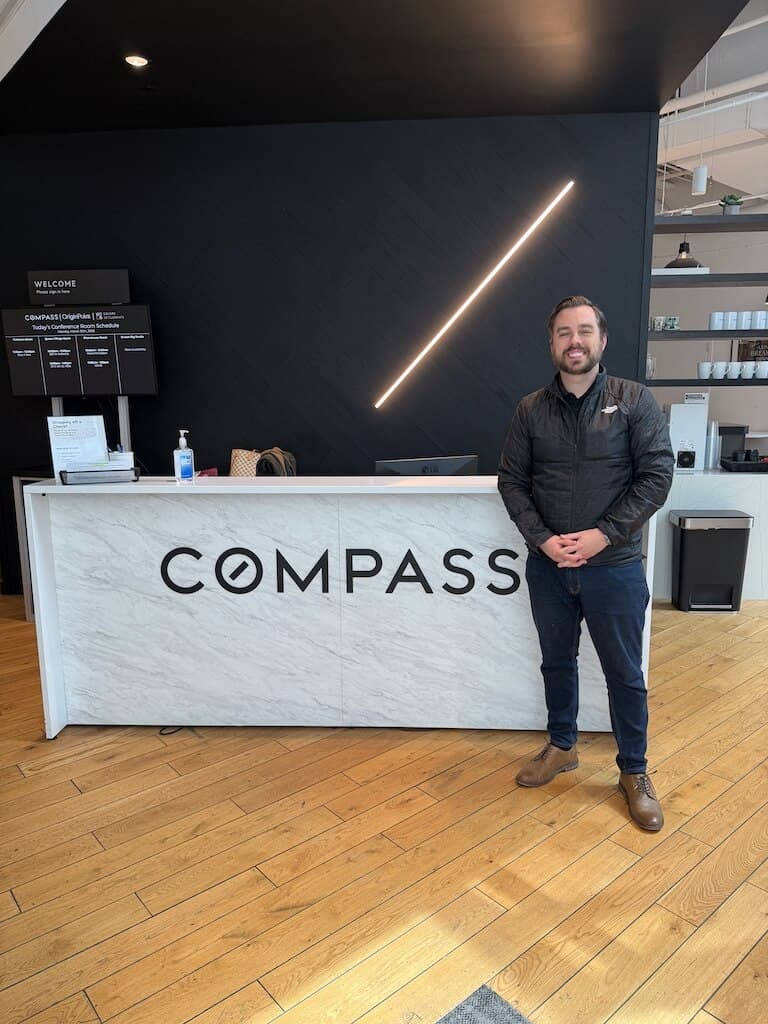
Nicholas Davis brings more than 10 years of hands on real estate experience across investing, property management operations, renovation planning, and project execution. Long before becoming a licensed real estate agent, he was already evaluating deals, managing risk, and protecting margins in the field.
That operating background gives clients an advantage at every stage. You get practical guidance on pricing, renovation scope, hold costs, rental upside, negotiation structure, and timeline decisions, all grounded in real world execution.
Today, as a full time Philadelphia real estate agent and licensed general contractor, Nicholas helps buyers, sellers, and investors make stronger decisions with clarity and confidence. No pressure. No fluff. Just direct advice and disciplined strategy focused on results.
Trusted by buyers, sellers, and investors with experience built in the field
In Team Sales
$500M+
Buyers & Sellers Helped
1000+
Philadelphia Metro
650+
Combined Team Experience
22+
Straight answers for buyers, investors, and landlords exploring single-family rentals, BRRRR plays, fix-and-flip projects, and long-term portfolio building in Montgomery County.
Absolutely. New investors are welcome. We don't assume experience — we educate. From explaining DSCR loans to walking a property with a contractor's eye, we make sure you understand every piece of a deal before you commit capital. Many of our best long-term investor relationships started with someone taking that first step into real estate.
The 70% rule is a quick way to calculate your maximum offer price: Maximum Offer = (ARV × 0.70) − Repair Costs. It reserves 30% of the After Repair Value for your profit, holding costs, and financing — ensuring you don't overpay and kill your margins. For example, if a property will be worth $200,000 after repairs and needs $30,000 in work, your max offer is ($200,000 × 0.70) − $30,000 = $110,000.
Montgomery County combines relatively affordable acquisition prices, strong rental demand driven by universities, hospitals, and a large renter population, and consistent neighborhood appreciation in areas like Fishtown, Point Breeze, and Kensington. The city also has a high concentration of older housing stock — ideal for value-add investors comfortable with rehab.
BRRRR stands for Buy, Rehab, Rent, Refinance, Repeat. You acquire a distressed property below market value, renovate it to force appreciation, place a tenant to establish income, then do a cash-out refinance to pull your capital back out and repeat the cycle. Montgomery County is one of the strongest BRRRR markets in the Northeast — affordable acquisition prices, active rental demand, and a seasoned contractor network make the math work consistently in the right neighborhoods.
A DSCR (Debt Service Coverage Ratio) loan qualifies you based on the property's rental income rather than your personal income. If the property generates enough rent to cover the mortgage payment, you typically qualify — no W-2s or tax returns required. These are widely available for Montgomery County investment properties and are especially useful for investors with multiple properties or self-employment income.
Off-market deals in Montgomery County come through contractor networks, wholesalers, driving for dollars, direct mail, probate leads, and strong relationships with other agents. As a licensed contractor with an active investment background, Nicholas has access to distressed properties and pocket listings that never hit the MLS — giving clients a real edge on acquisition price.
High-demand rental neighborhoods include Fishtown, Northern Liberties, Point Breeze, Brewerytown, and Germantown for appreciation plays. For pure cash flow, Kensington, Southwest Montgomery County, West Montgomery County, and parts of North Montgomery County offer lower acquisition prices with strong gross yield potential. Neighborhood selection depends entirely on your strategy — we'll match you based on your budget, risk tolerance, and goals.
Cap rate (capitalization rate) is your property's Net Operating Income divided by its purchase price, expressed as a percentage. A $200,000 property generating $16,000 net annually has an 8% cap rate. Cap rates in Montgomery County range widely by neighborhood — we'll model realistic NOI based on actual local rent comps and expenses, not best-case projections.
Cash-on-cash return measures how much cash income you receive annually relative to the cash you actually invested (down payment, closing costs, rehab). It's the most practical metric for leveraged investors. A deal with a 10% cash-on-cash return means your invested capital earns 10% annually from rental income alone — before appreciation.
Successful flips in Montgomery County rely on accurate ARV (After Repair Value) estimation, disciplined rehab scoping, and fast execution. As a licensed general contractor, Nicholas can walk a property and produce realistic renovation cost estimates before you make an offer — eliminating the guesswork that kills most flip margins. Target markets include Strawberry Mansion, West Montgomery County, and emerging blocks in South and Northeast Montgomery County.
Yes. A 1031 exchange allows you to sell an investment property and roll the proceeds into a like-kind replacement property without triggering capital gains taxes — as long as you meet the timeline and identification requirements. We help coordinate the exchange process and identify suitable replacement properties in Montgomery County or other markets, working alongside your CPA and qualified intermediary.
The 1% rule says a rental property should generate monthly rent equal to at least 1% of its purchase price. A $150,000 property should rent for $1,500/month. In higher-priced Montgomery County neighborhoods it is often difficult to hit 1%, but it remains a fast screening filter. We use it alongside cap rate, cash-on-cash, and NOI modeling to give you a complete underwriting picture.
Not necessarily — it depends on how hands-on you want to be and how many units you own. NRD REAL ESTATE offers full-service property management for Montgomery County investors who want passive income without day-to-day landlord responsibilities. For investors who self-manage, we support with tenant placement, lease execution, and periodic inspections.
Multi-family analysis focuses on current rents versus market rents, vacancy rate, gross rent multiplier (GRM), and unit-by-unit rehab scope. We underwrite the deal using trailing 12-month income and expense data, then model value-add scenarios where below-market rents can be raised to increase NOI and force appreciation.
Montgomery County has strong tenant protections including just-cause eviction requirements in certain circumstances, mandatory Certificate of Rental Suitability, lead paint disclosure requirements, and specific rules around security deposits and habitability. As an investor entering the Montgomery County market, understanding these regulations upfront protects your asset and avoids costly compliance issues.
Start with a strategy session. We'll assess your budget, investment goals, financing options, and risk tolerance, then identify deal types and neighborhoods that match your criteria. From there we build a property search, run deal analysis on any qualified leads, and execute from offer through closing. Nicholas brings both an investor's perspective and a contractor's cost knowledge to every deal.
Real estate investing. Studies consistently show that the majority of millionaires in America built their wealth through real estate — not stock markets or startups. Real estate offers leverage (borrow money to control an asset), tax advantages (depreciation, deductions), inflation protection (rents rise with inflation), and passive income. It's the most accessible path to wealth-building for investors without a large inheritance or early startup exit.
The 3-3-3 rule helps you estimate total costs: 3% for down payment, 3% for closing costs, and 3% for holding costs (taxes, insurance, utilities, maintenance during renovation). So on a $200,000 purchase, budget roughly $18,000 total ($6,000 + $6,000 + $6,000). This rule is a starting point — actual costs vary by property and location, which is why detailed deal analysis matters.
They serve different goals. Flipping focuses on short-term profit — you buy, rehab, and sell within 6–12 months. BRRRR builds long-term wealth — you buy, rehab, rent, refinance to recover capital, and repeat. Flipping is faster cash but taxed as ordinary income. BRRRR creates passive income and appreciation but requires tenant management and financing discipline. Your choice depends on whether you want quick profits or long-term cash flow.
Key BRRRR risks include: interest rates rising before refinance, tenant vacancy or non-payment reducing your refinance qualification, repair costs exceeding estimates (where Nicholas's GC background helps mitigate this), lender policy changes tightening refinance access, and market downturns reducing property value. Successful BRRRR investors plan conservatively — underestimate rents, overestimate costs, and keep reserves. Due diligence upfront prevents disasters down the line.
Tell me a little about your goals and I will reach out to discuss your next move in the market.

Nicholas Davis
Currently Online
What you can expect: